



From day one, Surge needed more than a brand that looked good. They needed design that built credibility, earned trust, and scaled with them as they grew. They needed a design partner that ensures they stand out in the crowded world of AI infrastructure.
They chose Konpo. More than a vendor, we became their plug-and-play design team: senior talent embedded alongside leadership, shaping everything from their first identity to their website, product, and systems. At every stage, Surge found in Konpo a partner they could depend on.

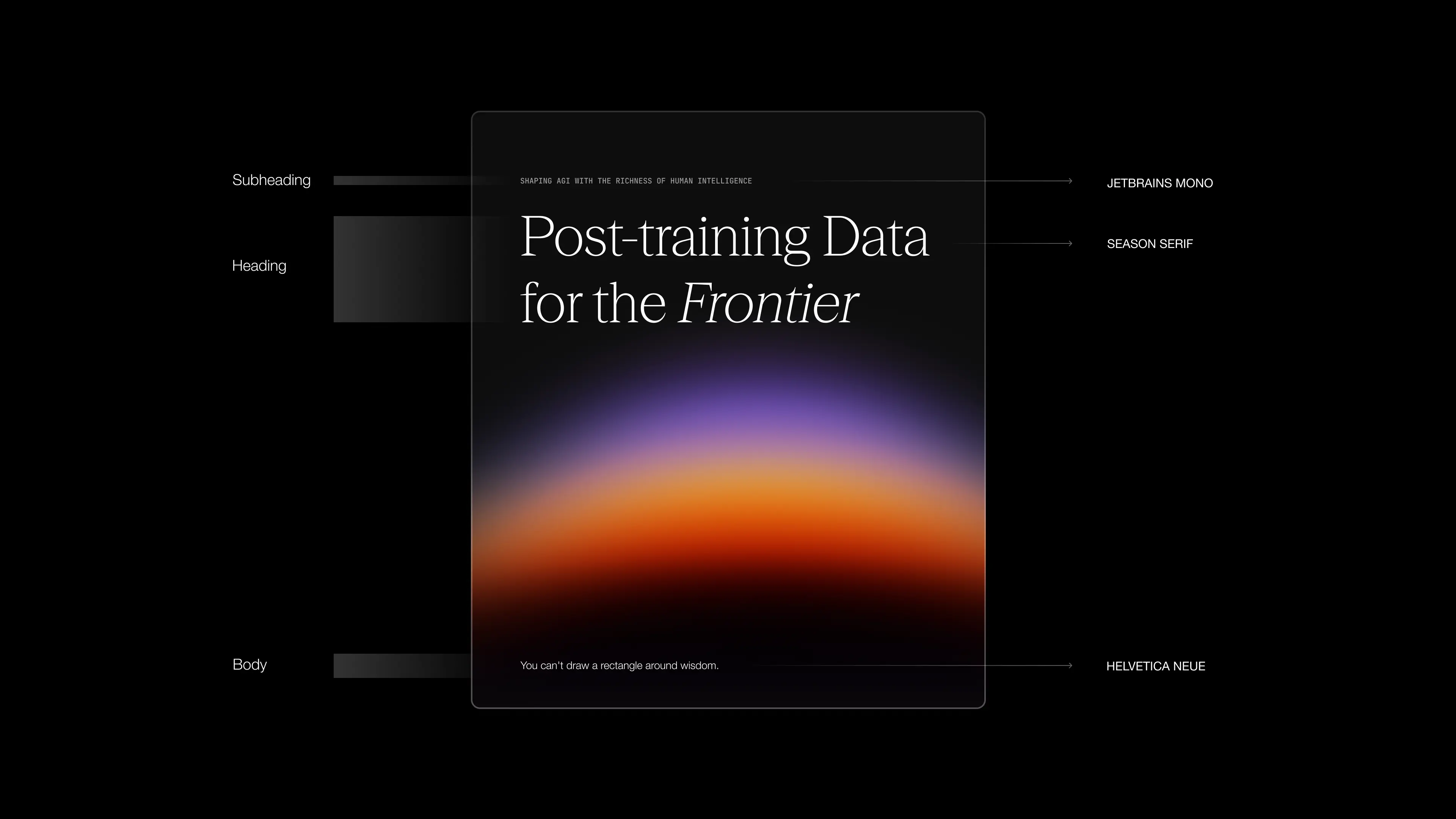
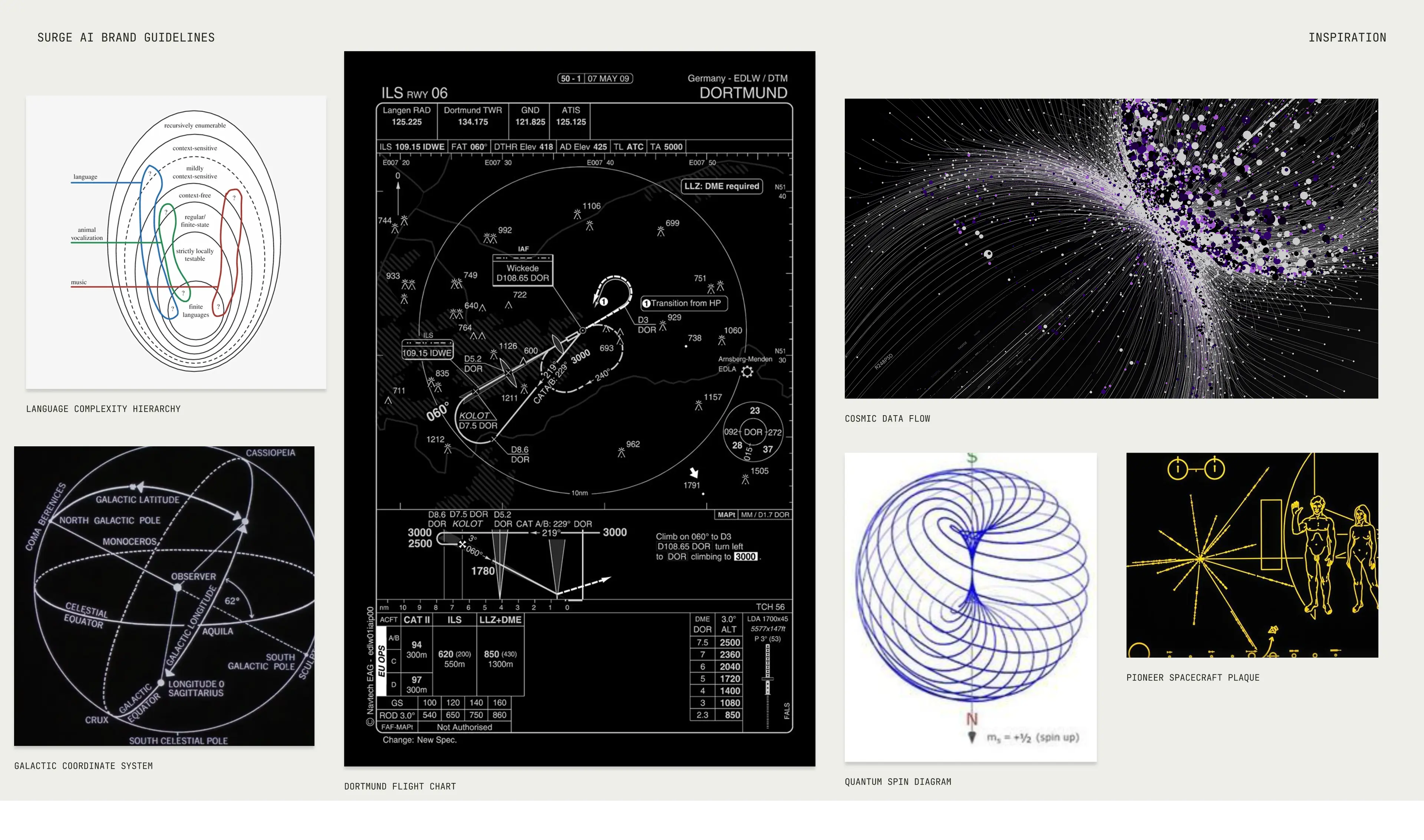

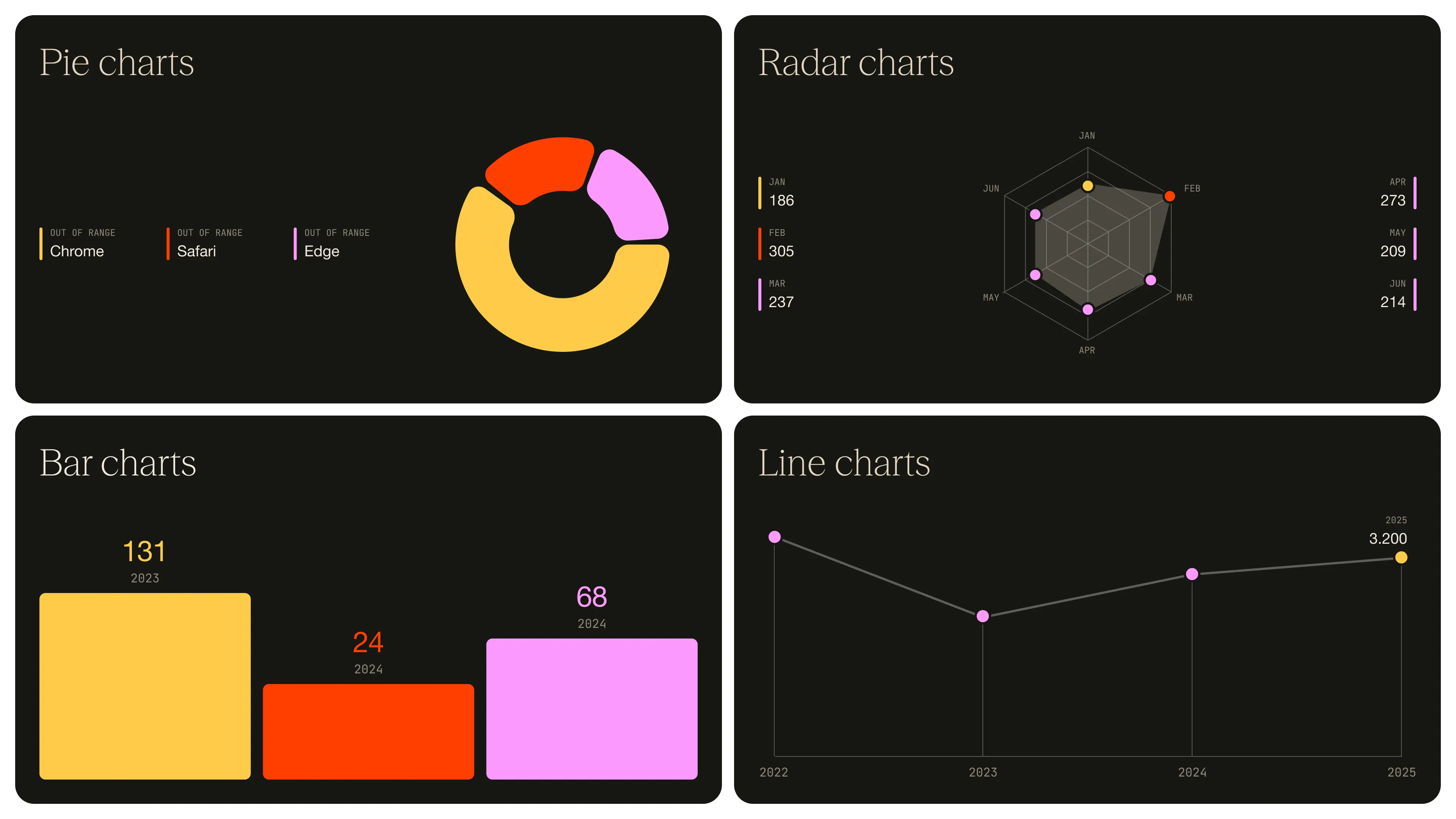

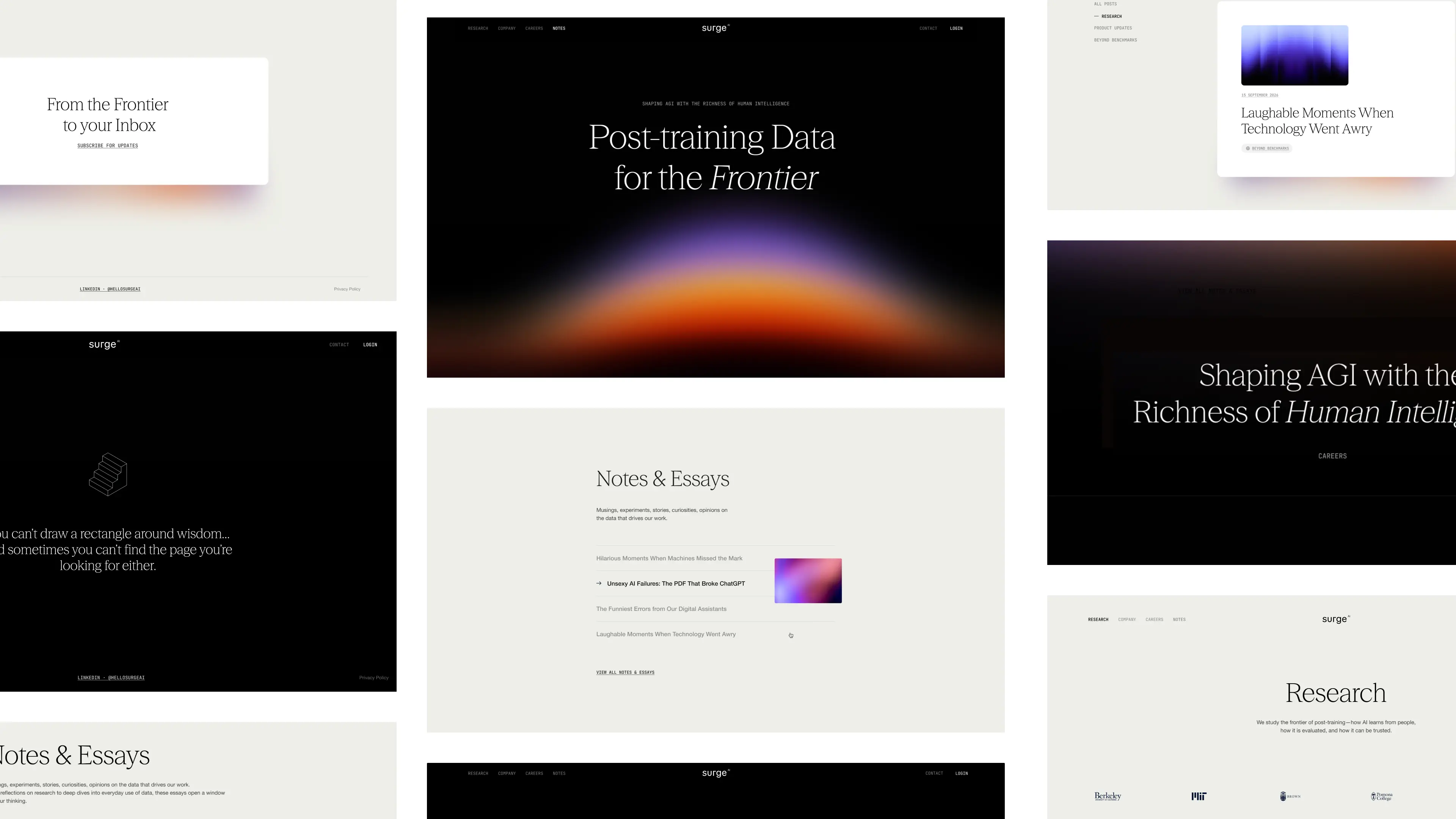

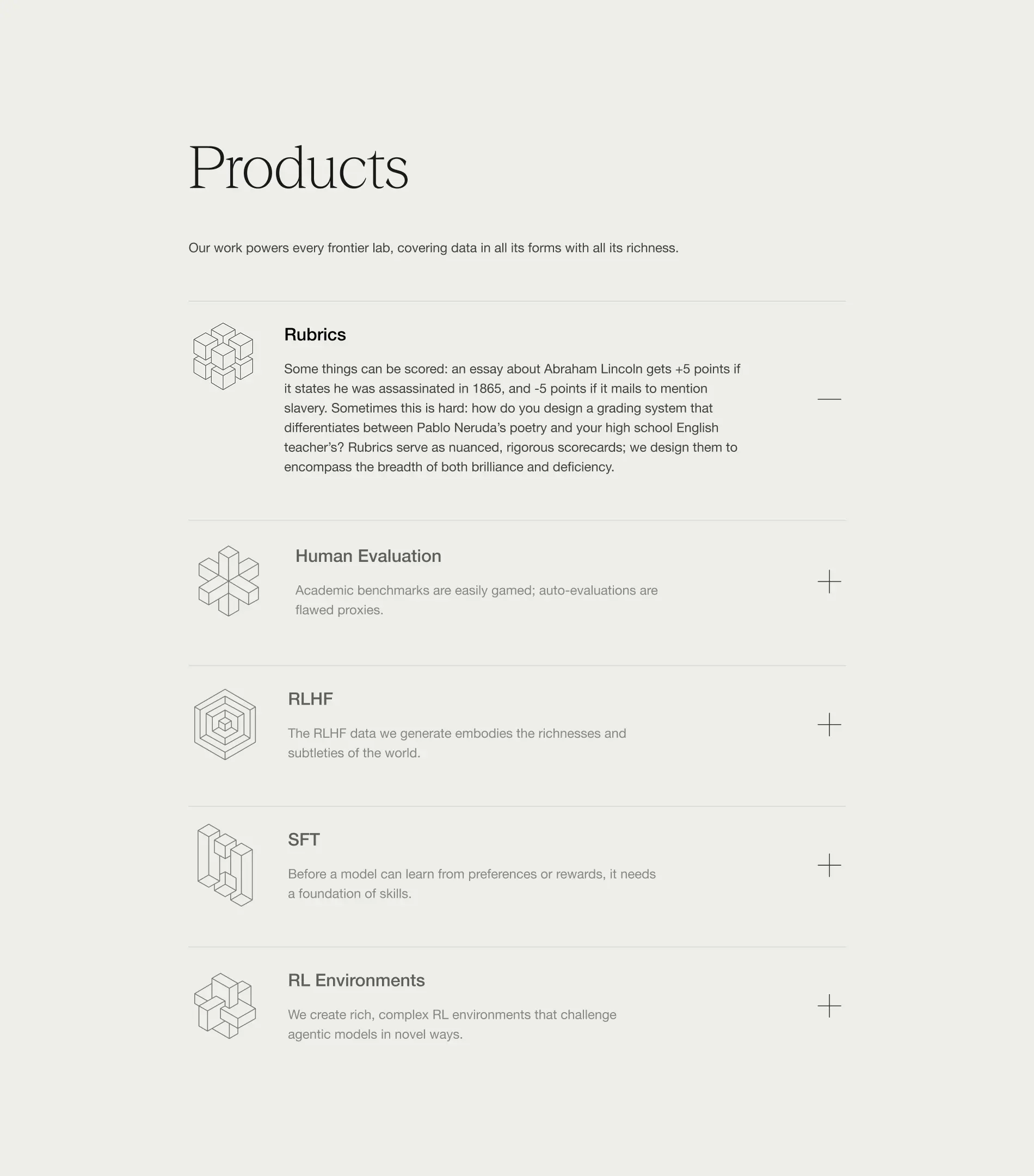
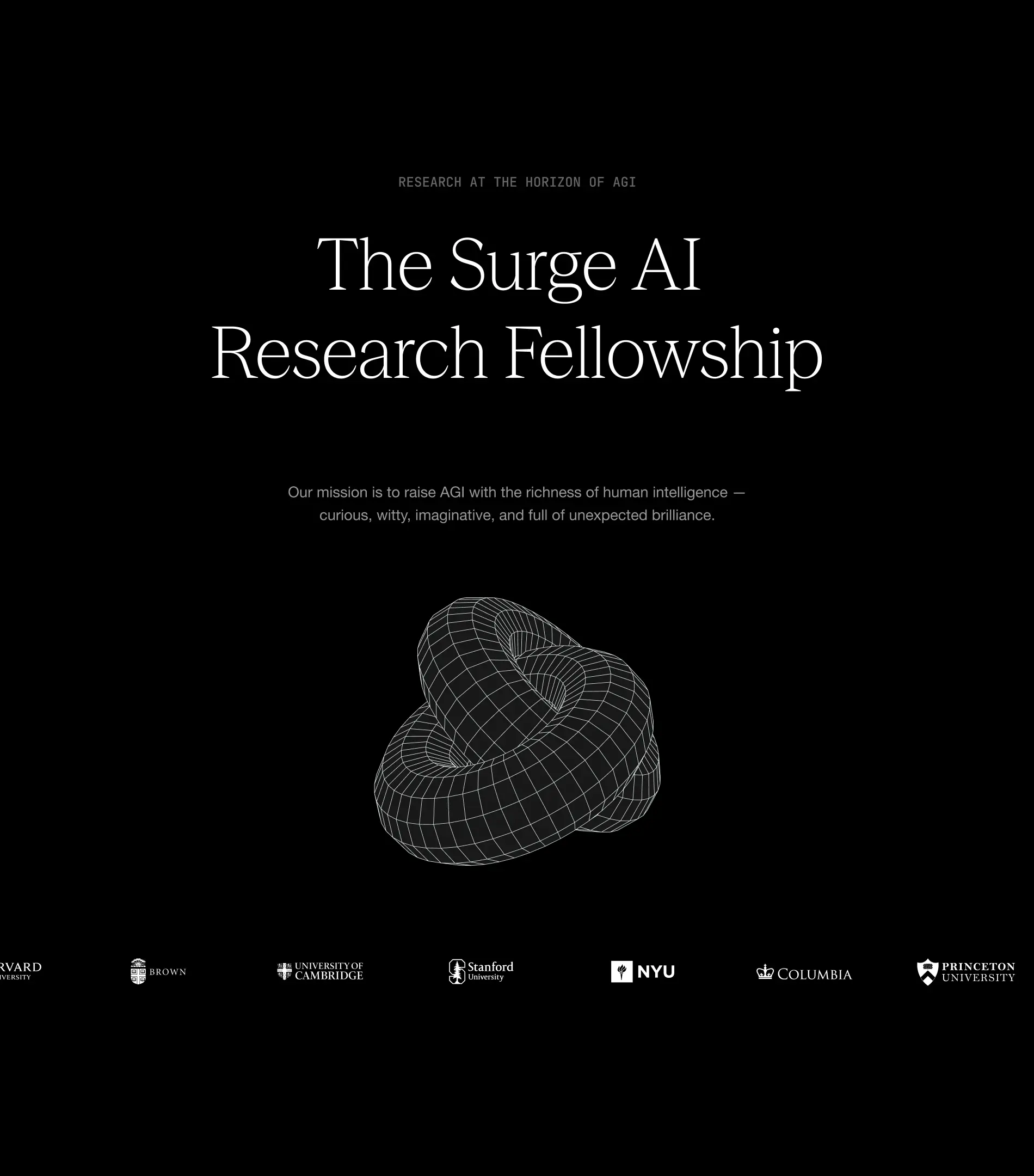
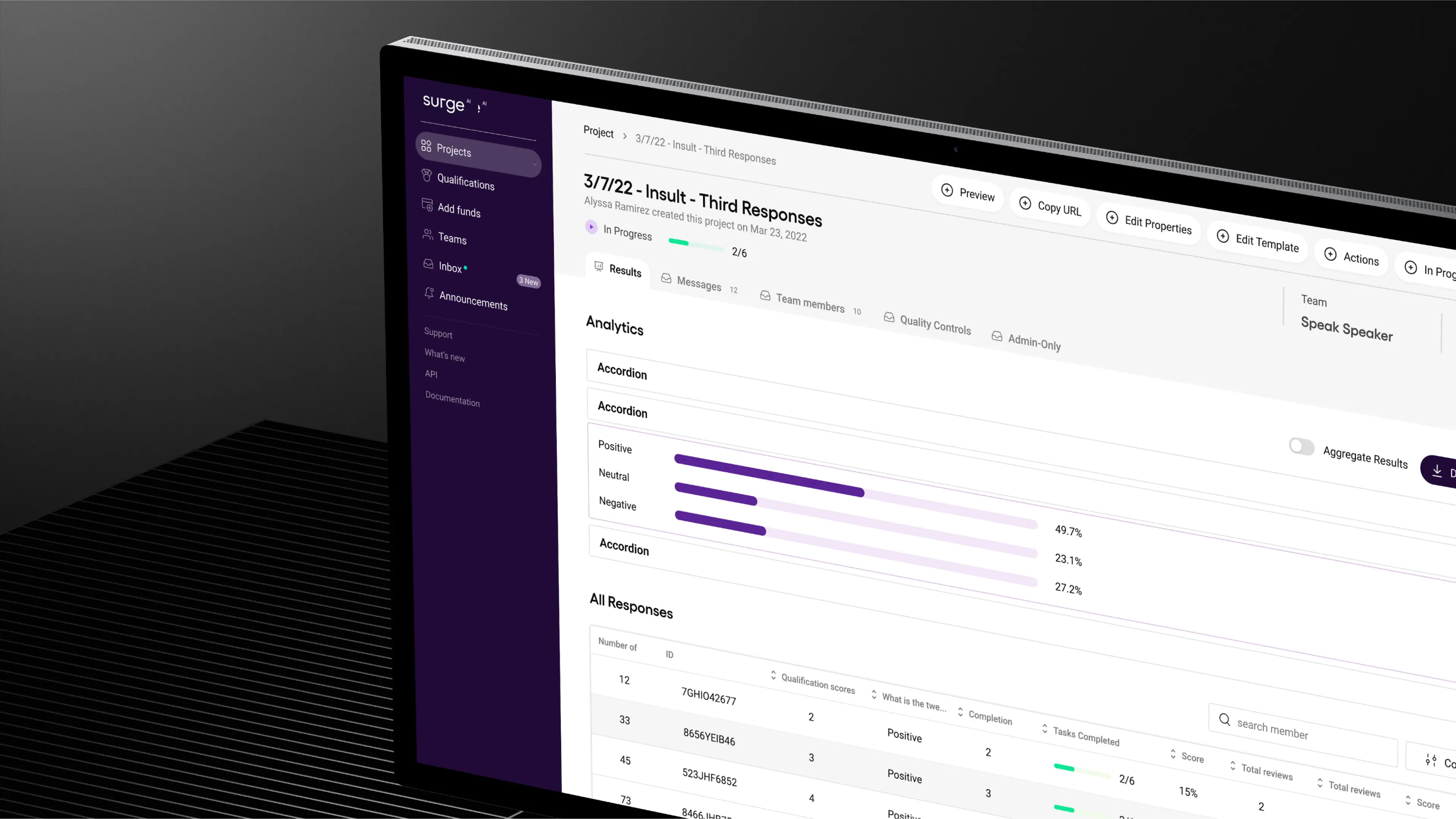



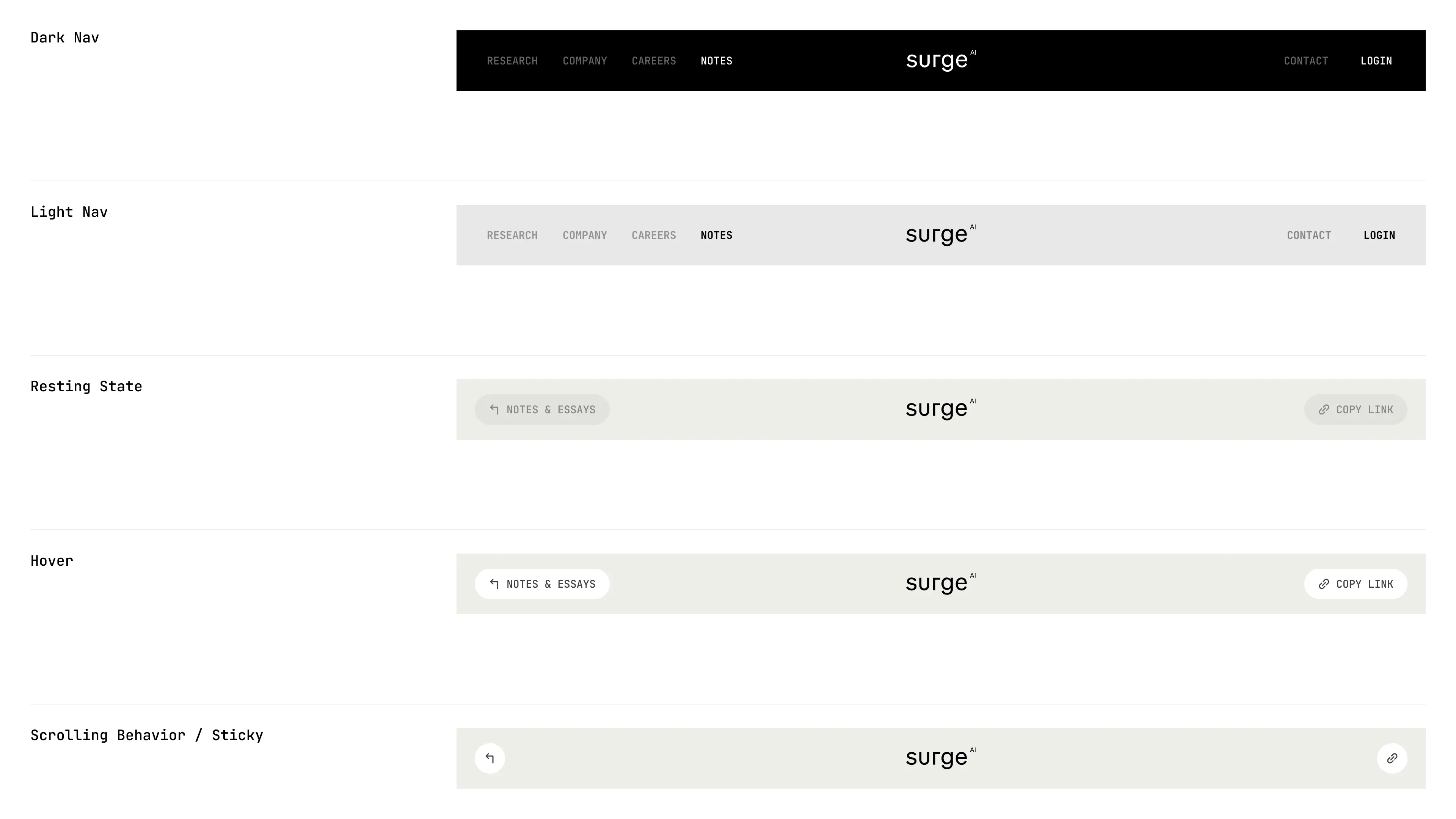
Our collaboration has become a long-term partnership that helped Surge grow from early explorations to a brand adopted by the leading AI and technology companies and a product internationally recognized and awarded.
We built a bold, distinctive identity in an industry defined by sameness, designed a product experience that balanced delight with enterprise-grade usability, and crafted a design system to keep them consistent as they scaled.
As Surge now looks to fetch a valuation of over $15 billion in its first capital raise, we’re leading phase two of their branding. The goal: to build a brand that not only wins attention and trust, but one that matches the ambition and credibility of a company operating at that scale.
- Founder - Edwin Chen
- Year - 2025
- Industry - Artificial Intelligence
- Scope - Brand · Site · Systems
- Website - www.surgehq.ai

ComPsych needed a rebrand built to win. Younger competitors with sharper, design-driven branding were pulling attention away from the world’s largest provider of employee assistance programs (EAPs), a company supporting over 130 million people across 190 countries. They turned to Konpo to make sure their brand matched their scale and credibility. The mission: win back market share, turn reputation into loyalty, and defend their position at the top.

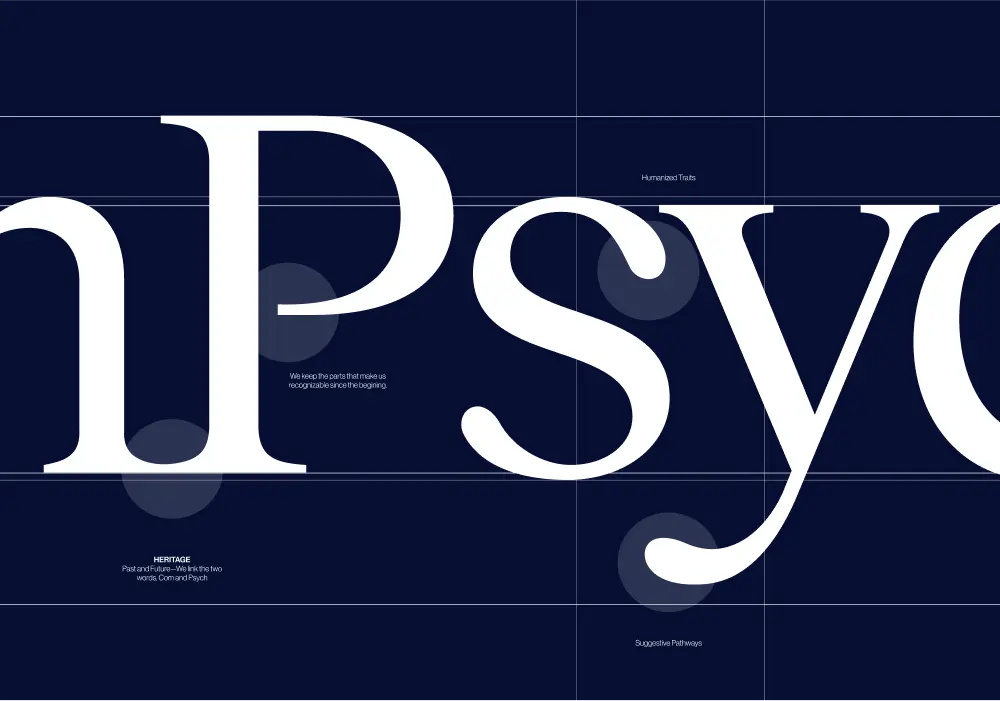

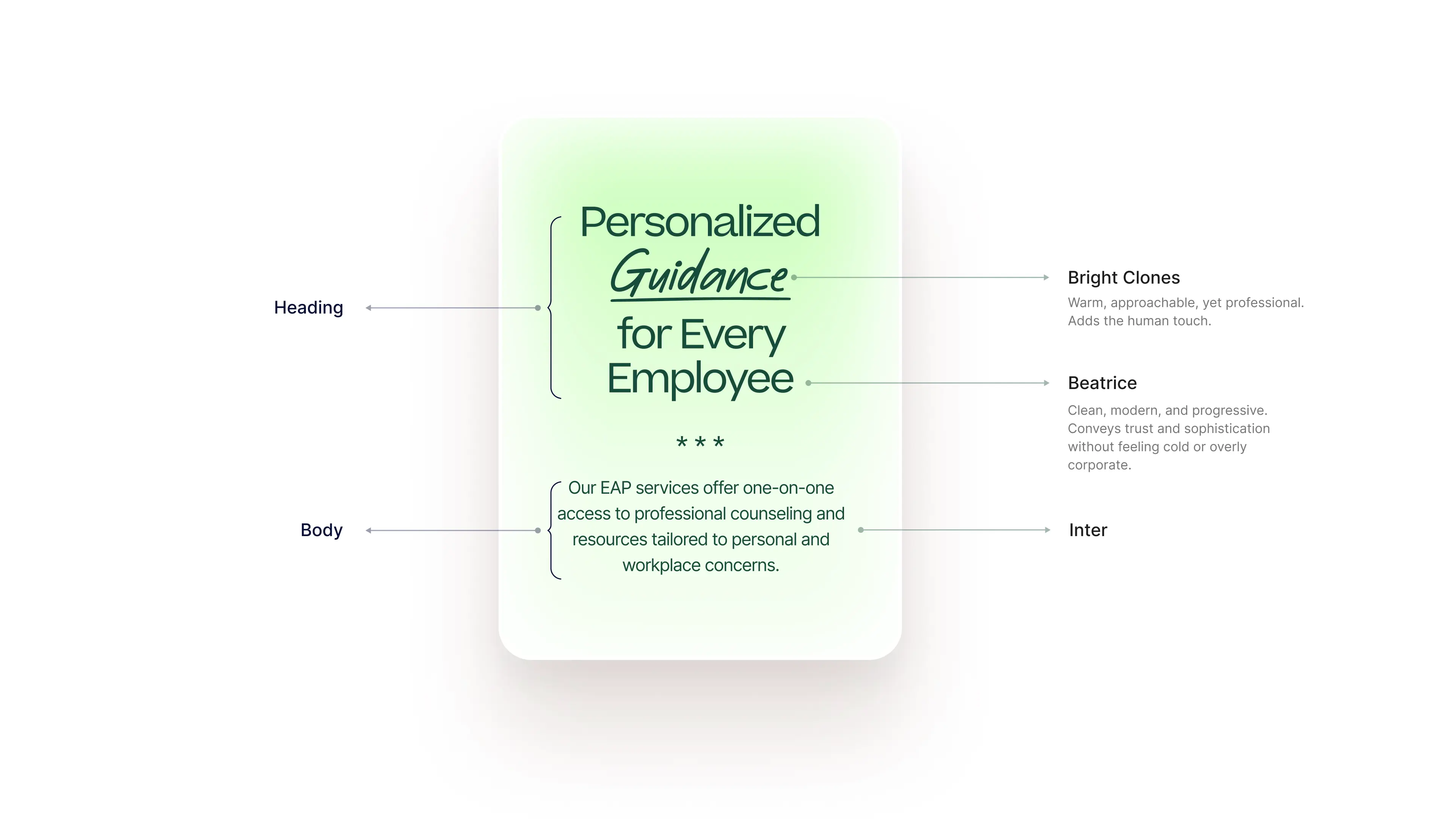
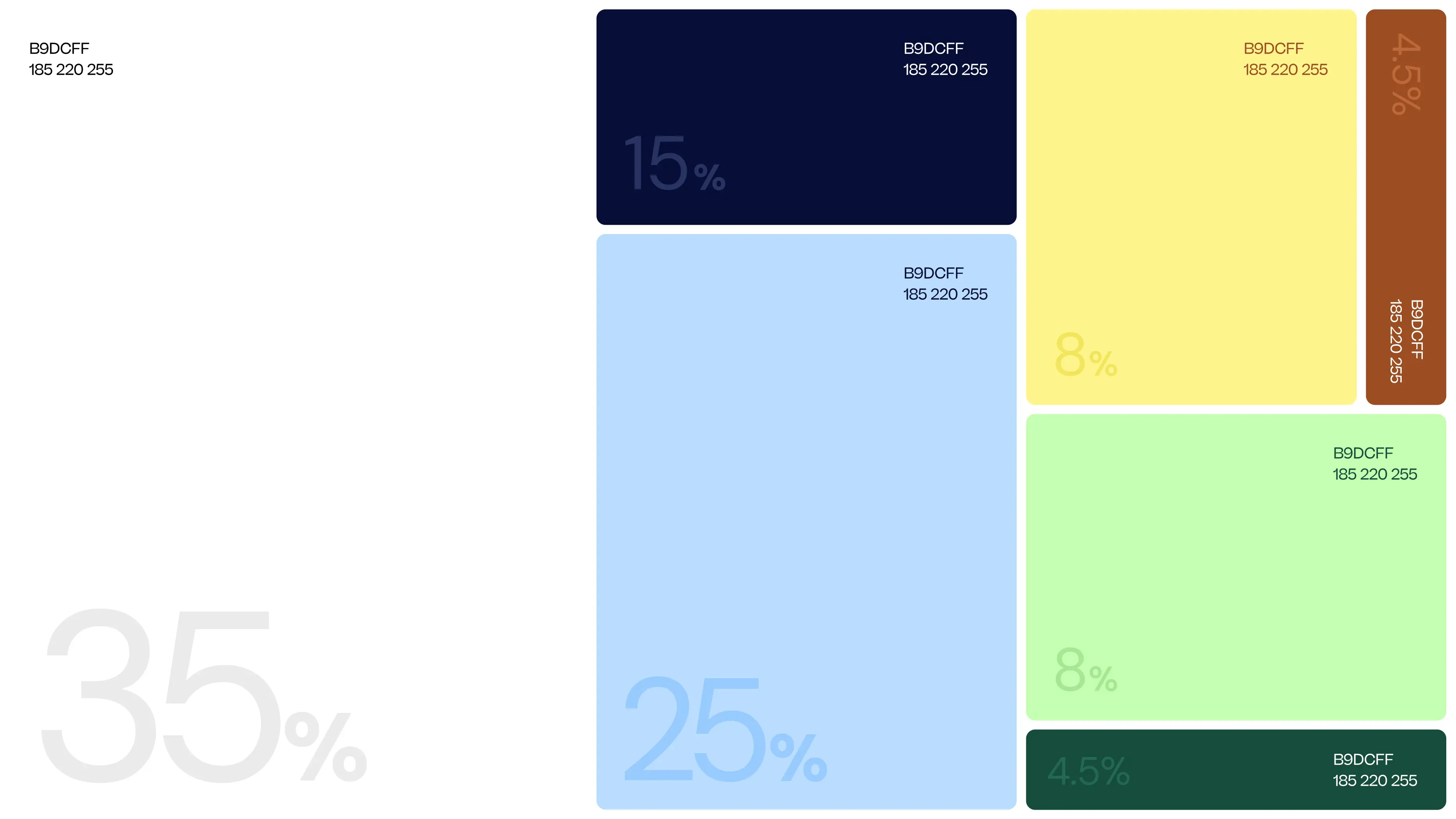

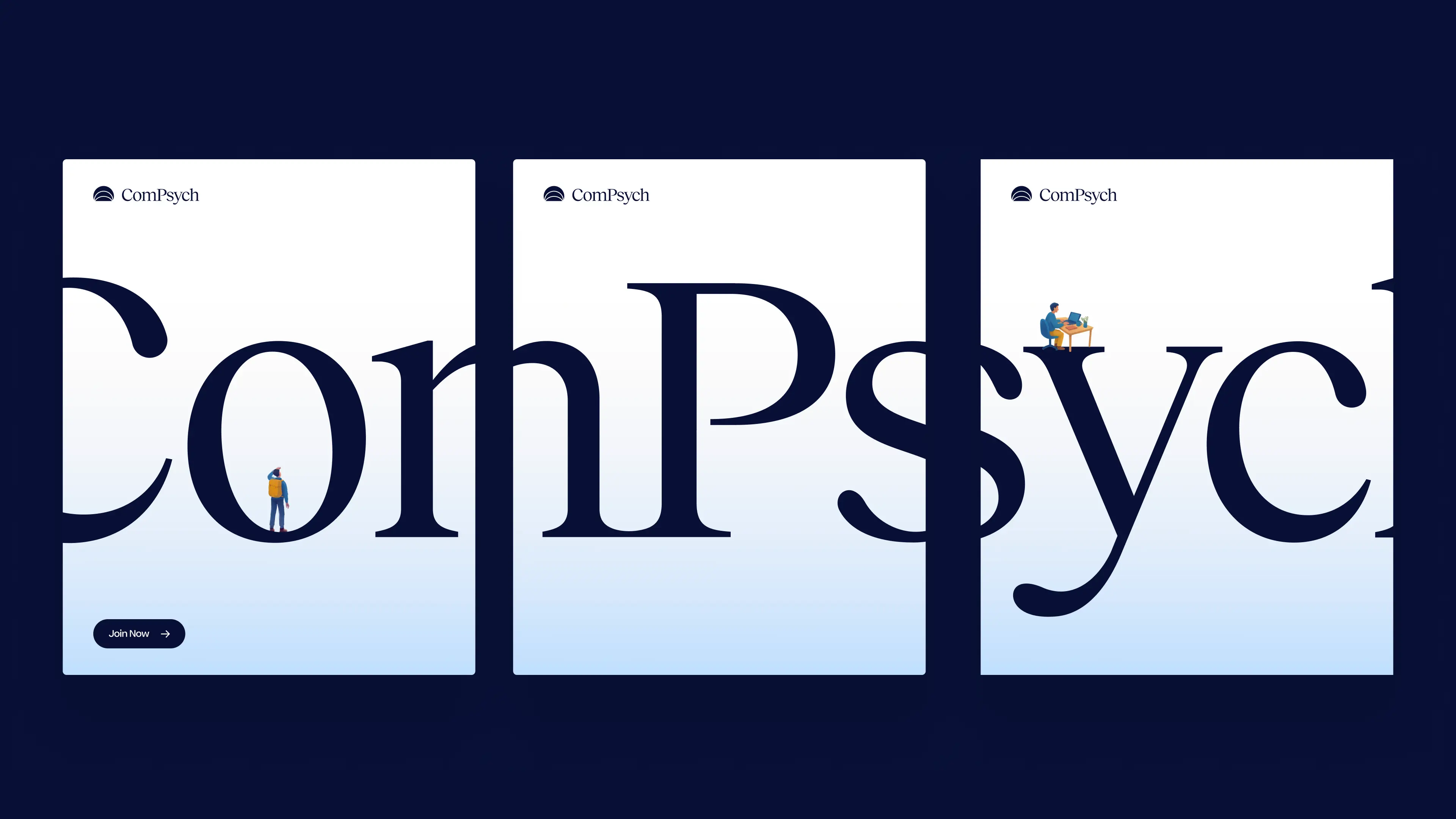
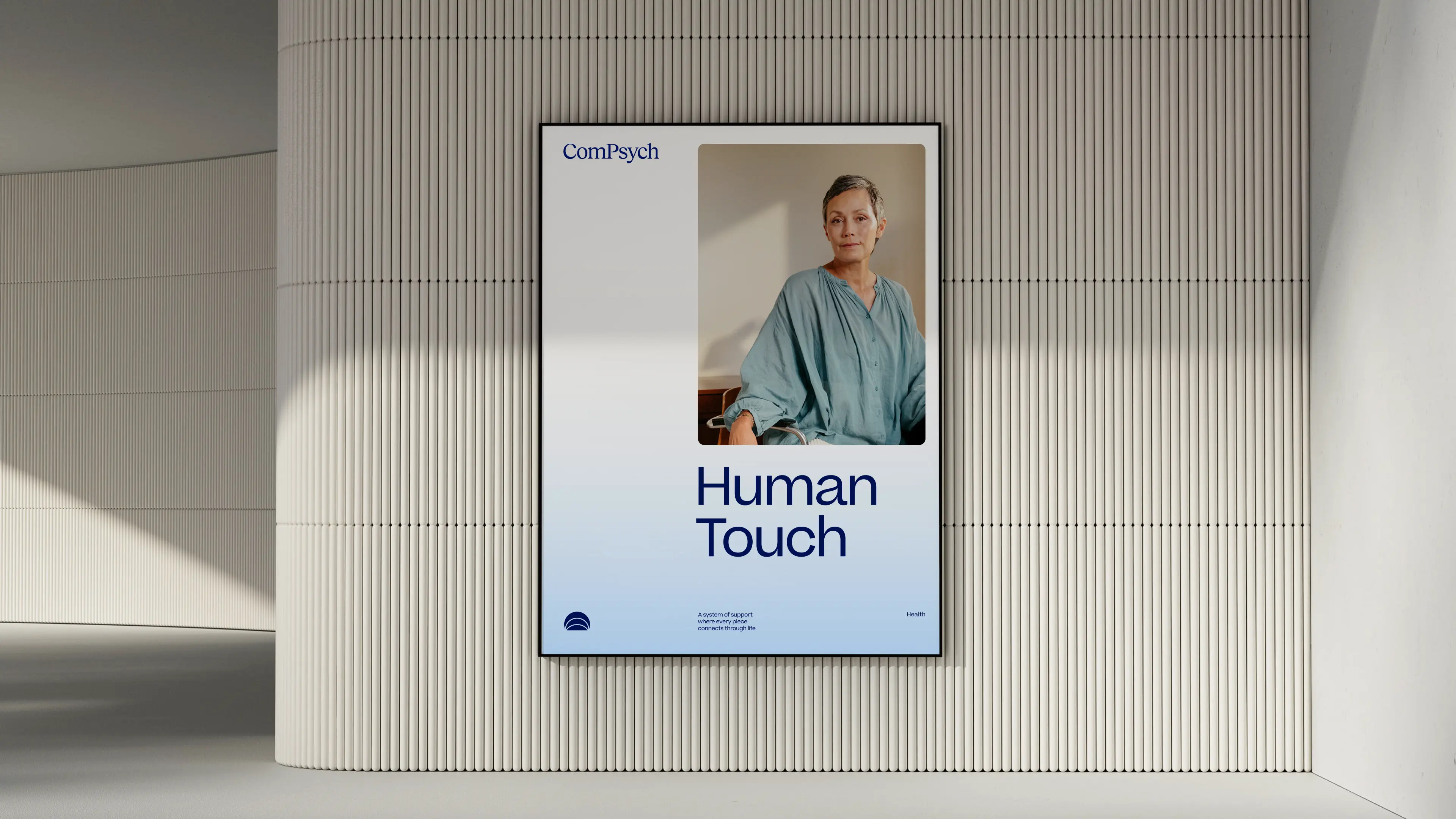
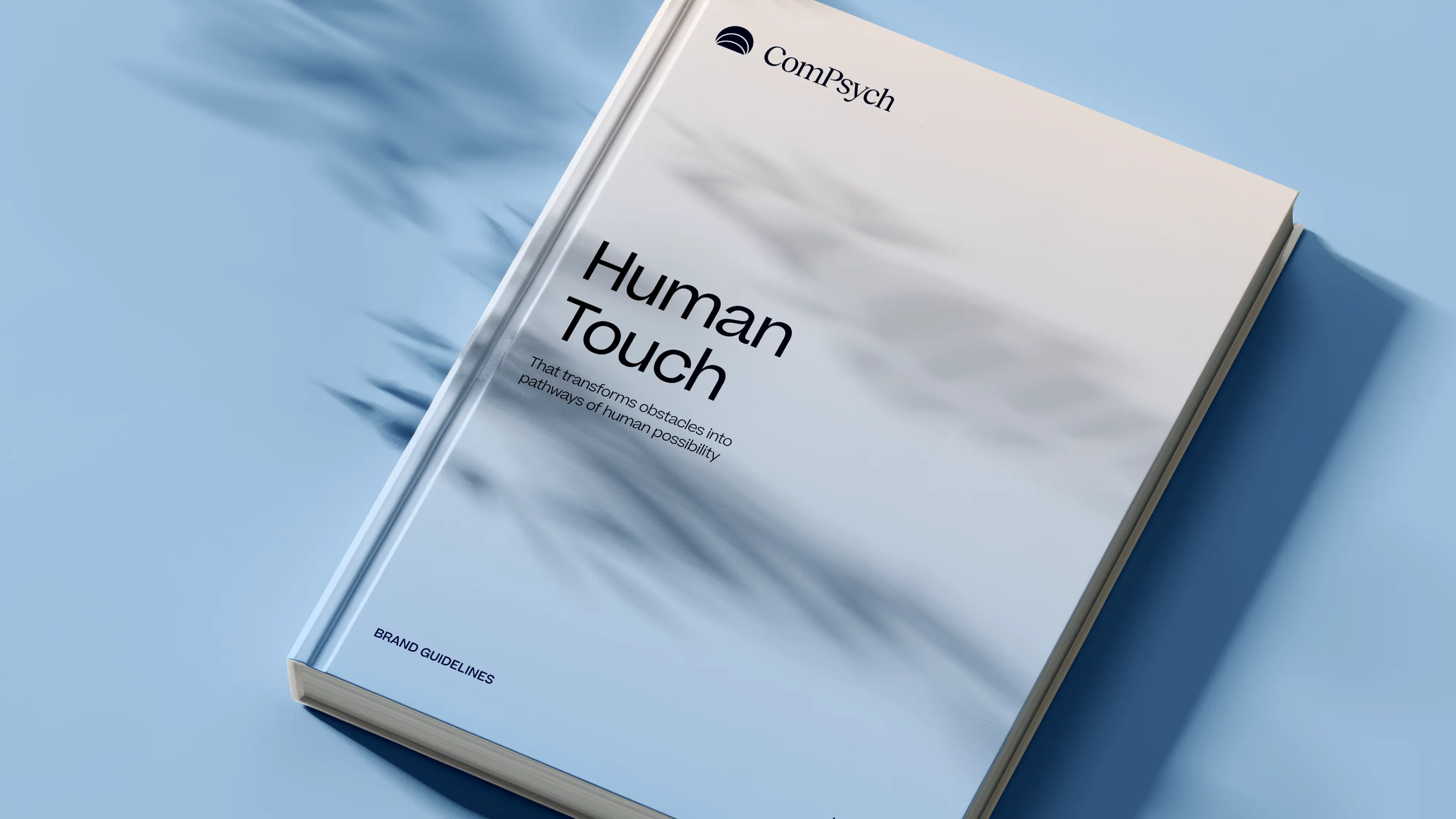
Every element of the ComPsych rebrand was built to show the strength of a category leader, but for today’s market and tomorrow’s. The new logo centers on a glowing core, with expanding ripples signalling growth, support, and scale. Their signature blue was sharpened with a modern palette designed to stand out with confidence, not noise. But what’s a rebrand without discipline to execute it? We built a dedicated brand hub that gave ComPsych everything, from logos to illustrations to voice, to apply their new identity consistently across 75,000+ organizations worldwide. And we delivered it beyond our original scope. The result: a brand that doesn’t just keep up with the competition, but takes back the lead. With a stronger identity and a system to sustain it, ComPsych now has the edge to defend its dominance and keep winning in a design-driven market.
- Industry - Employee Assistance Program (EAP)
- Scope - Brand
- Brand Hub - compsych.konpo.co
- Website - compsych.com
amp Fitness set out to launch its AI-powered strength training system with leadership and talent from Apple, DraftKings, Meta, Nike, and Spotify — people who held the highest design standards. To stand out in a crowded fitness space, they needed a design partner who could move as fast as they did and deliver world-class quality. That’s where Konpo came in. As their plug-and-play design studio, we worked elbow-to-elbow with Amp’s leadership to marry hardware and software into a seamless consumer experience. From product design to scalable design systems, we turned their ambitious vision into award-winning, user-loved reality. When the standards are highest, the right design partner makes all the difference.


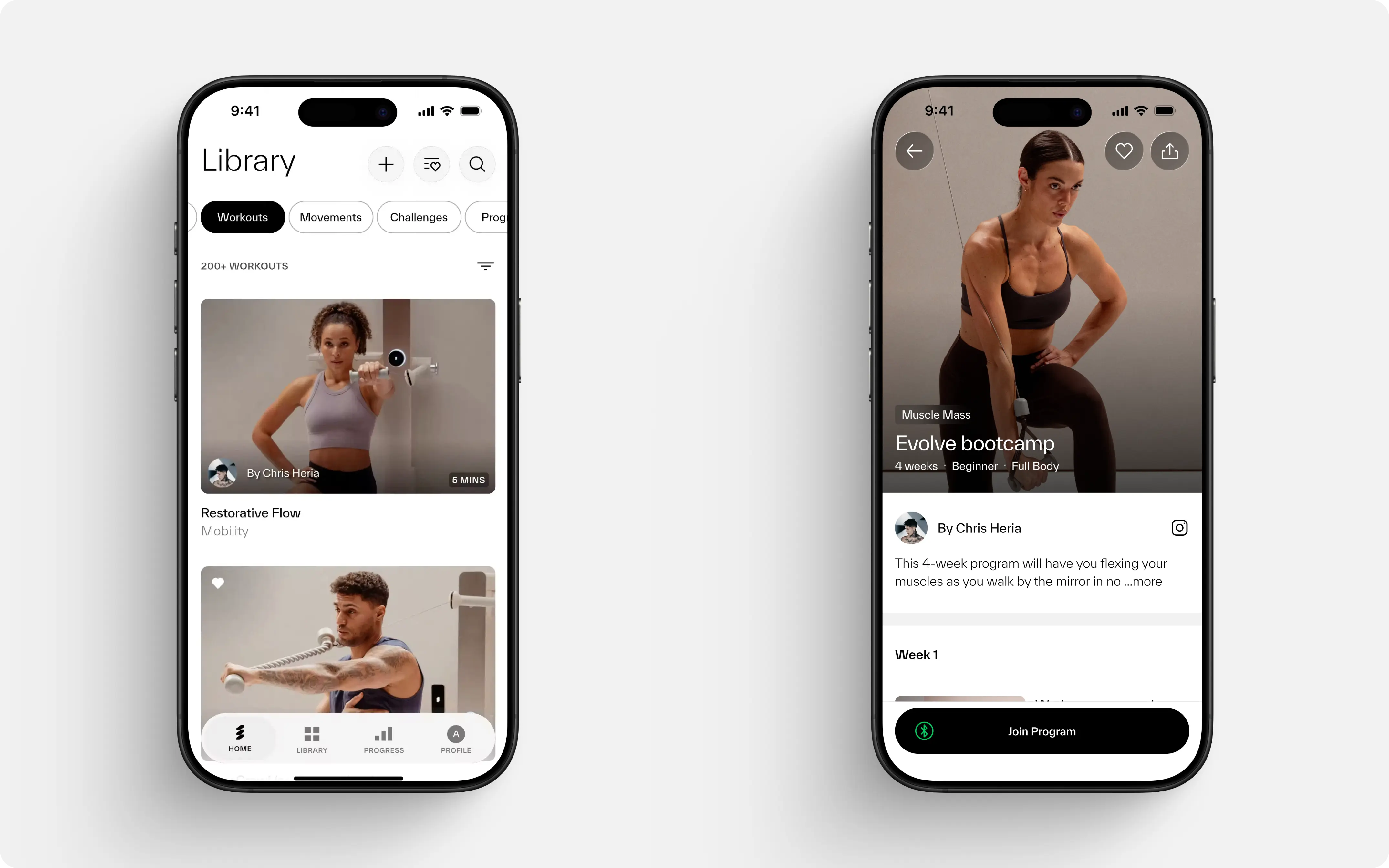
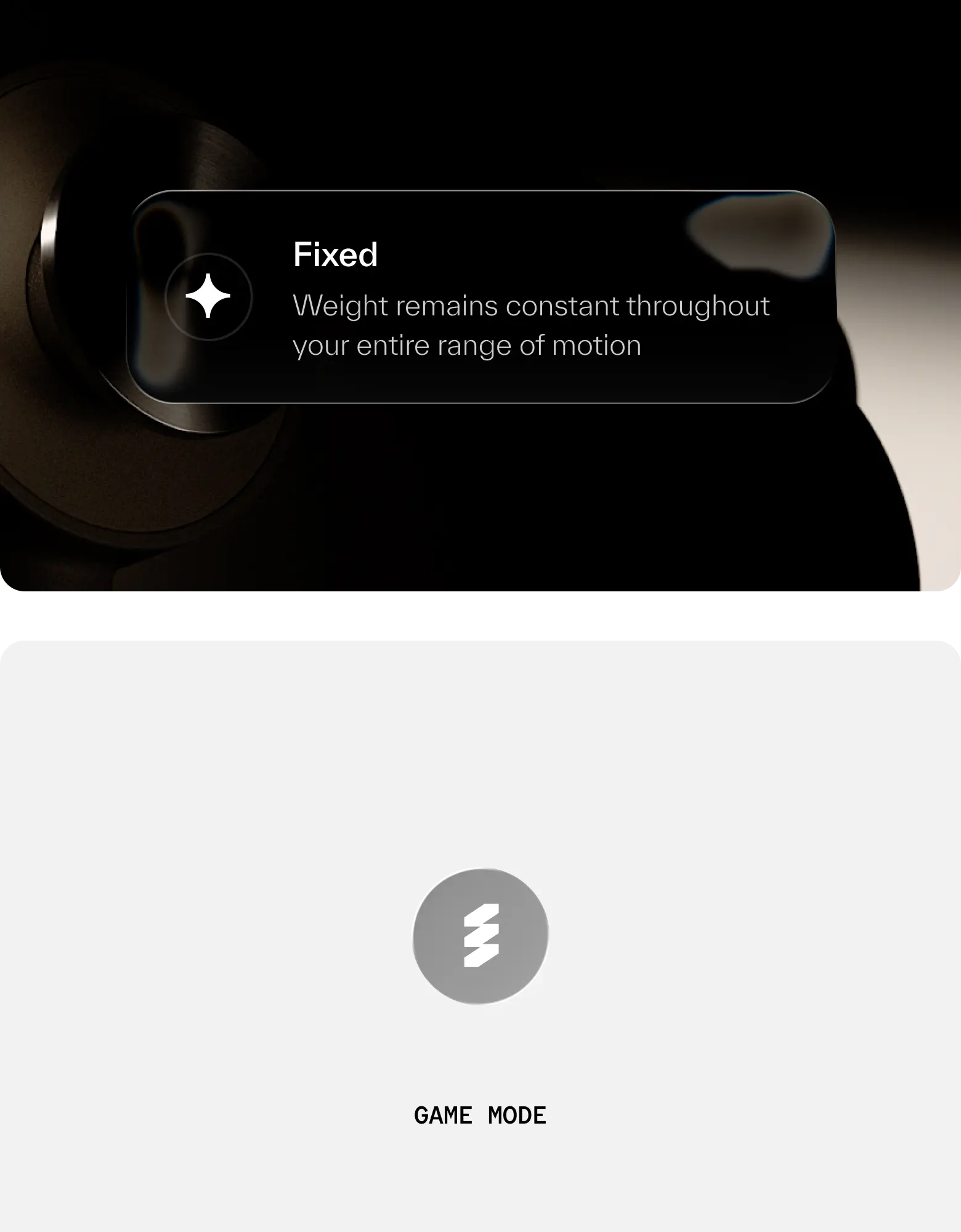
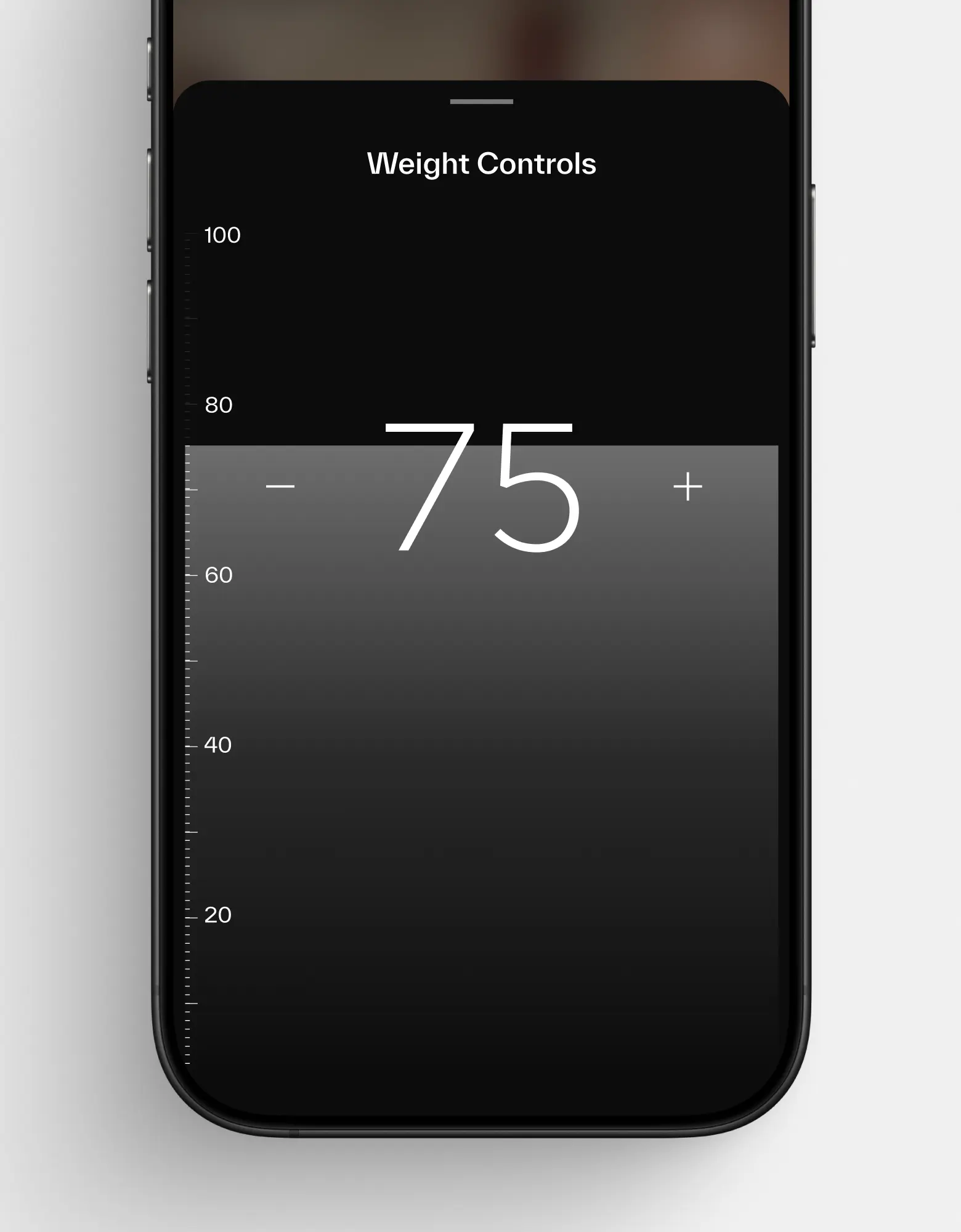
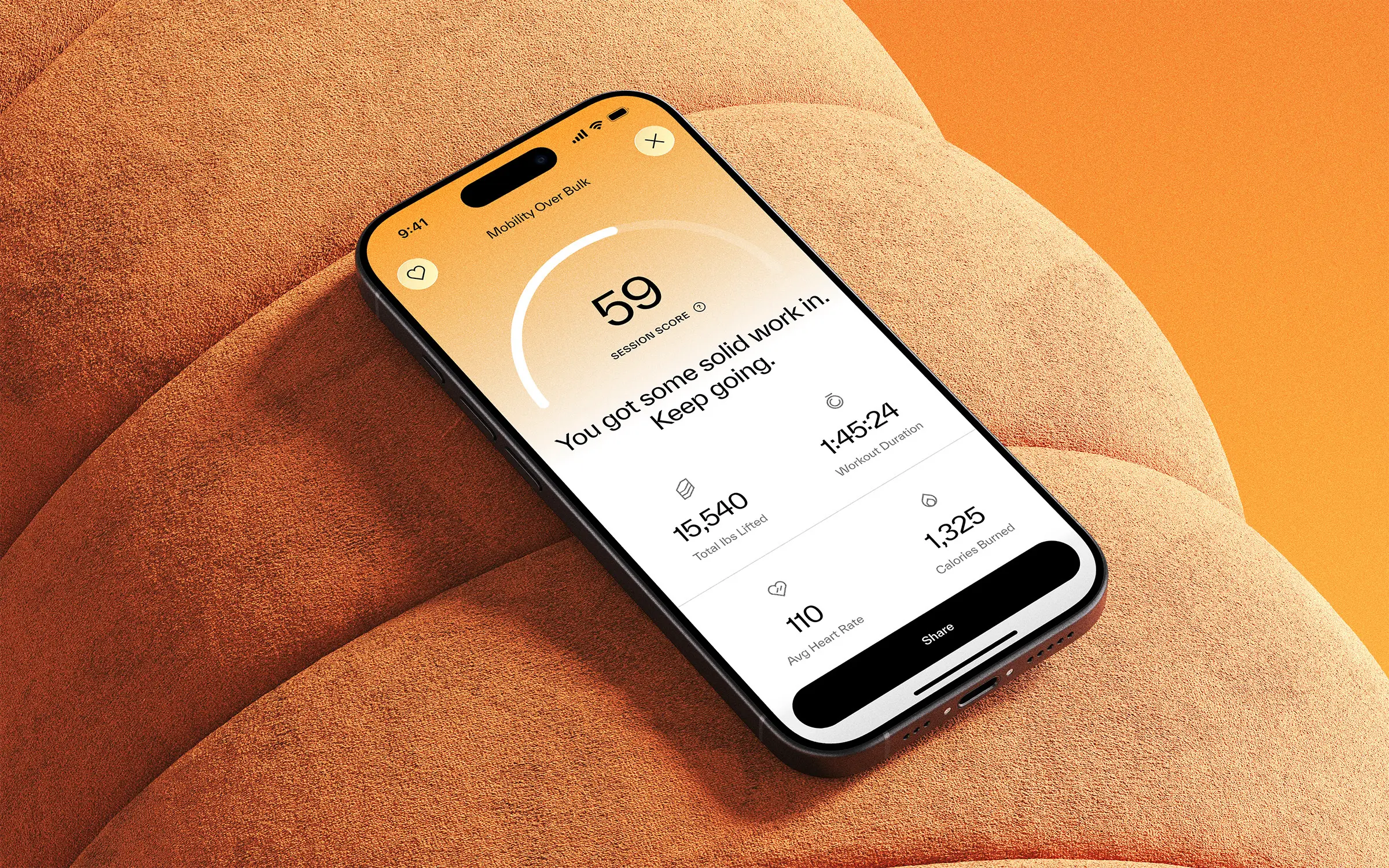

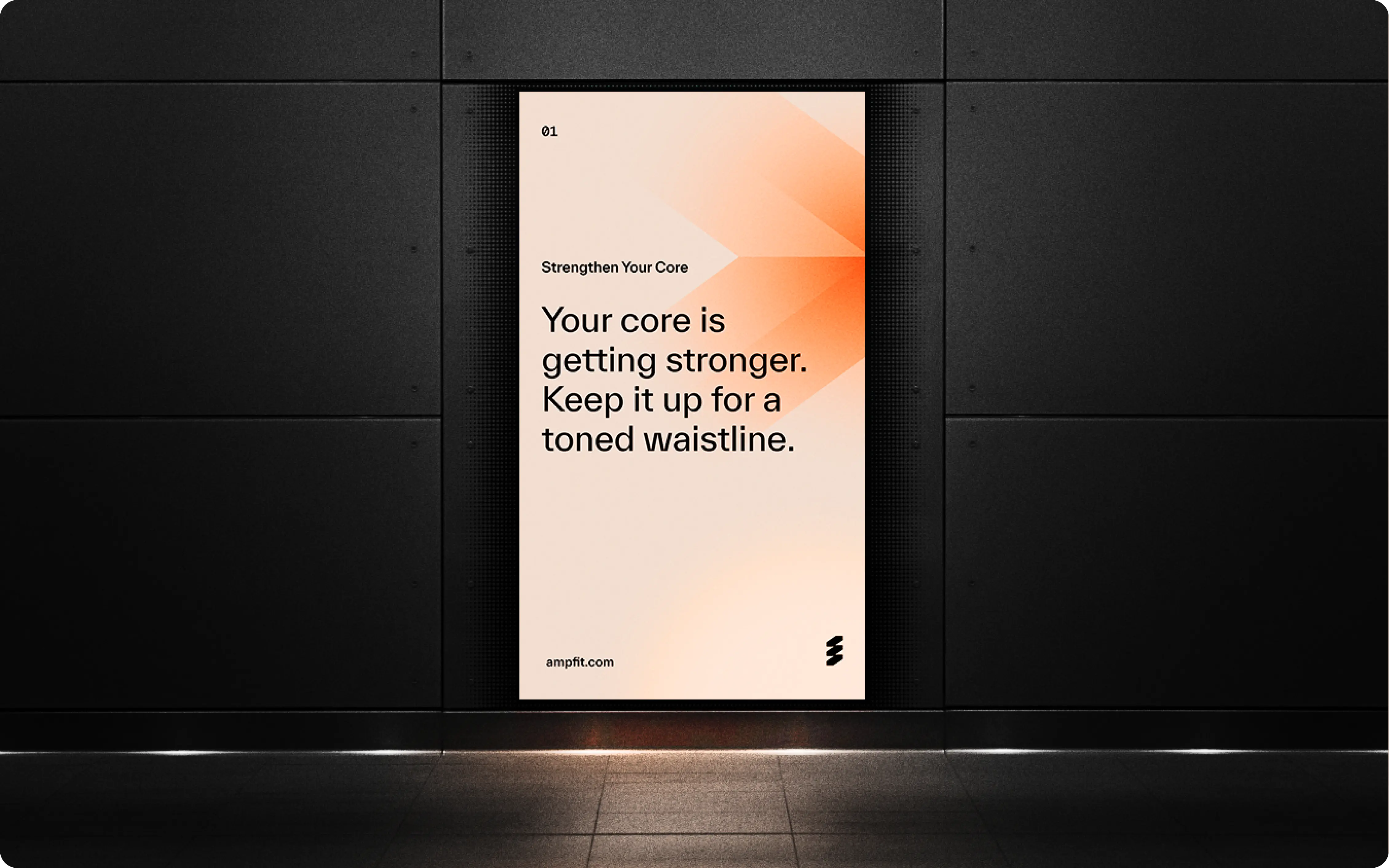
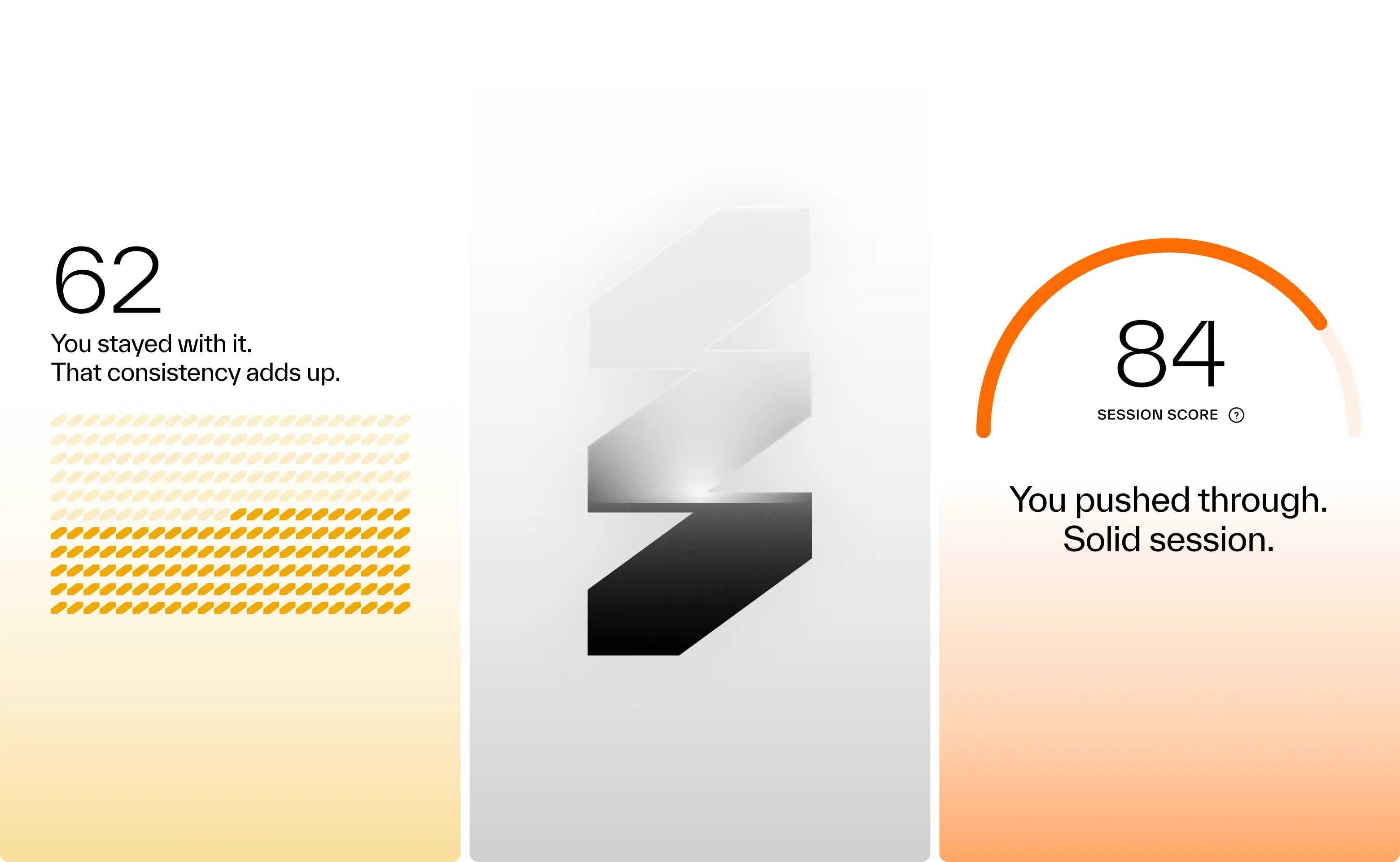

Results so far: 40,000 users, multiple awards, and a sleek wall-mounted system paired with a companion app. Working with amp meant translating adaptive resistance hardware, smart coaching, and modular accessories into a cohesive consumer experience. Add to that a team backed by Sports Science PhDs and leaders from Apple, Meta, and Nike, and the expectations were clear: nothing short of excellence would do. Rising to that challenge not only delivered results for amp, but pushed Konpo to sharpen our own systems and raise the bar. Challenge accepted. Mission accomplished.
- Founder - Shalom Meckenzie
- Year - 2024
- Industry - Fitness · Artificial Intelligence
- Scope - Brand · Product · Systems
- Website - www.ampfit.com
Systemizing Growth through Design


What do you do when you grow quickly? You cheer! You Smile! Investors are happy, numbers are all green and management is on fire (figuratively and literally). But what happens to product teams? How does that look like to engineers, designers, managers and eventually the end user? Yes, an expensive mess that haunts and ripples across the bottom line.
We partnered with Relias' product leadership to define and create a collection of predefined, reusable design elements and guidelines that help ensure consistency, coherence and efficiency in product across all touch points. This alleviates varying codebases from the burden of inconsistencies, bringing a clearer focus towards reusability to allocate resources effectively in meeting customer needs. The design system has several characteristics, especially tailored to their clientele. Healthcare workers are busy, on-the-move, and demand clarity in the interfaces they interact with daily. Accessibility, scalability, and practicality were the core principles driving the work we did for Relias. It's a pleasure working with products that actually make a a positive impactin people's lives.
We partnered with Relias' product leadership to define and create a collection of predefined, reusable design elements and guidelines that help ensure consistency, coherence and efficiency in product across all touch points. This alleviates varying codebases from the burden of inconsistencies, bringing a clearer focus towards reusability to allocate resources effectively in meeting customer needs. The design system has several characteristics, especially tailored to their clientele. Healthcare workers are busy, on-the-move, and demand clarity in the interfaces they interact with daily. Accessibility, scalability, and practicality were the core principles driving the work we did for Relias. It's a pleasure working with products that actually make a a positive impactin people's lives.
Serving 11,000 Healthcare Organizations
Relias was experiencing fast growth and their teams were expanding quickly but spreading thin.
Throw in new product lines through acquisitions, a growing number of contractors, new hires and you get yourself a pickle that costs millions in efficiency, delays, retention and engagement.
Engineers build the same components from scratch, designers reinvent the wheel each time and eventually end-users get confused and frustrated with the variety of navigation patterns in the same product.
While a design system is not a magic wand, it was a big part of the answer. So what did we do? We joined the party!
We worked elbow-to-elbow with Relias' product leadership to create a robust and scalable design system, serving as the single source of truth that empowered their product teams and their customers alike.
Reusable design components, repeatable patterns and guidelines that empower (not constrain) designers, engineers and managers; driving consistency and efficiency throughout the entire process.
Our work alleviated the entire product team from the burdens of double work. It allowed them to stop playing whack-a-mole and focus on delivering true value to the healthcare workers that live in the front-lines.
Clarity, accessibility, scalability, and reusability were the core principles driving the foundations of the work.


Atoms


Molecules


Organism


Templates

Pages



Konpo worked to get our new design system implemented, which has been the foundation for many of Relias’ products. The team delivers high-quality and thoughtful work. They've been a great partner throughout the process.They simply go the extra mile!

Konpo, elbow to elbow with Relias's product leadership. Relias serves 11,000 healthcare organizations, and fast growth and acquisitions had left engineers rebuilding components from scratch and users facing different navigation patterns in the same product. The design system replaced that with reusable components, repeatable patterns and guidelines, and Sasha Morris, Relias's Director of Product Management, describes it as the foundation for many of Relias's products.
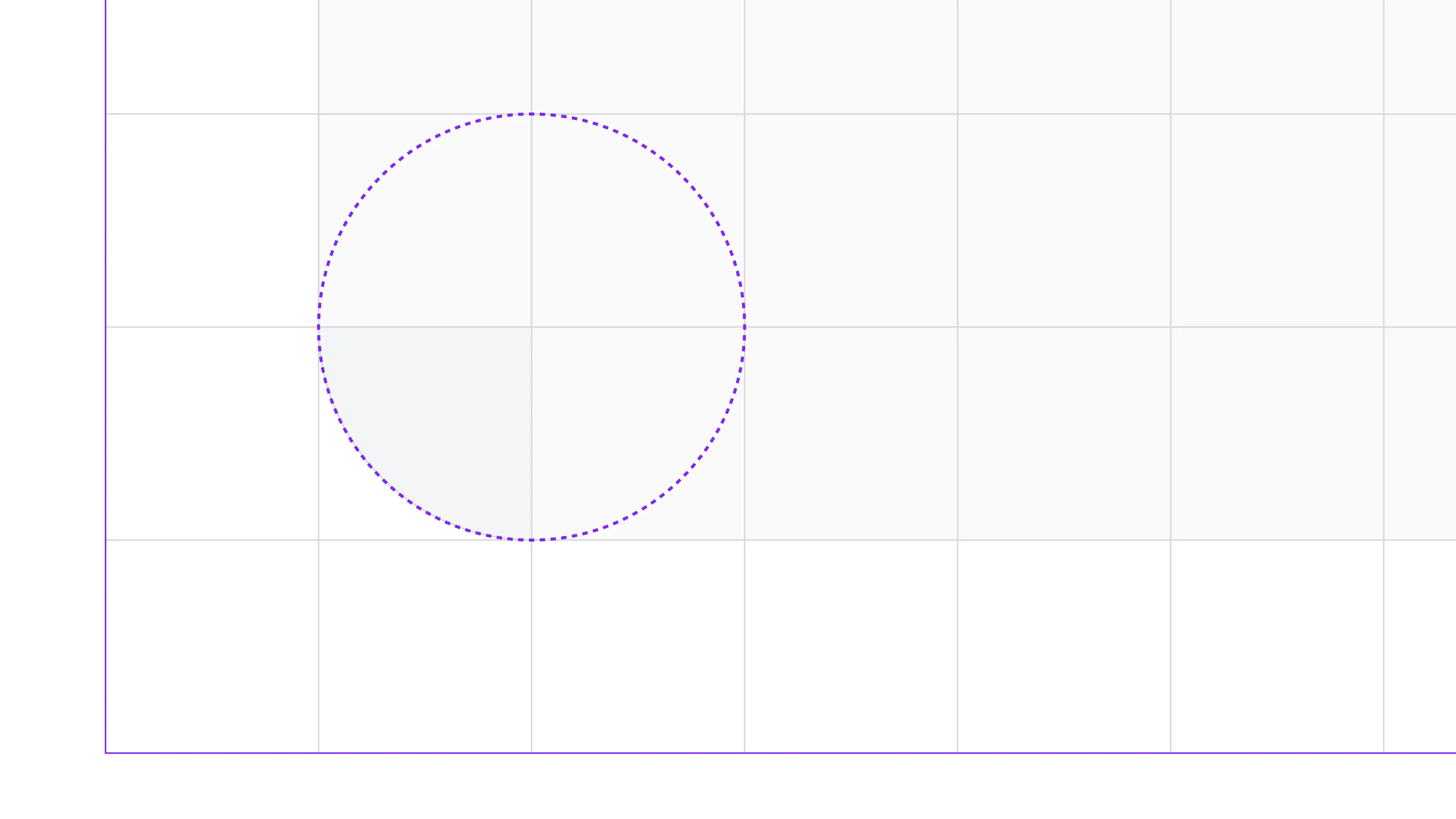
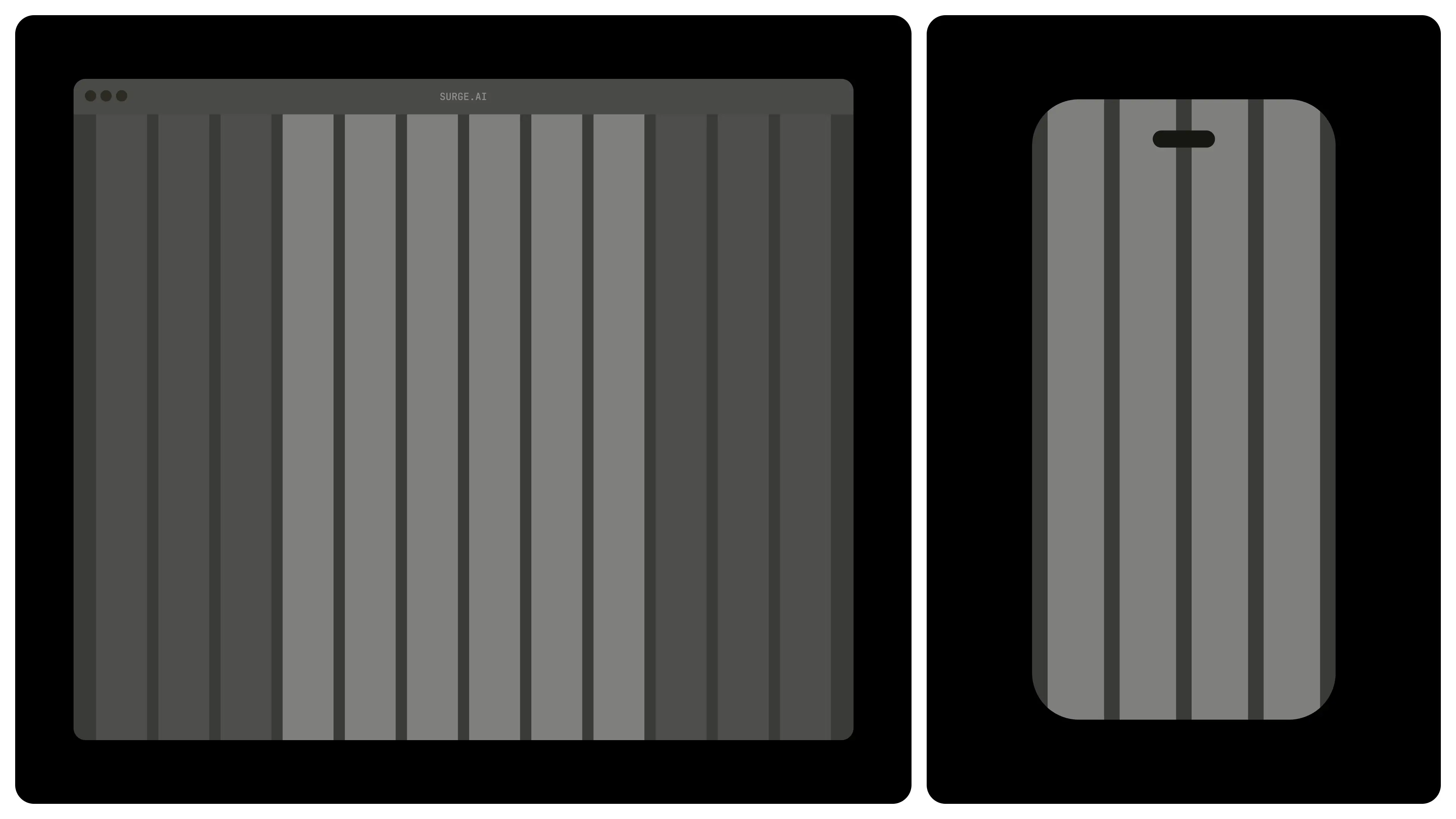
One answer to every common question, because healthcare workers are busy, on the move and switching between modules all day. Relias's products had come from acquisitions, so the same user could meet several navigation patterns in one product. The system fixed that from the bottom up: colors that meet accessibility contrast, typography, a custom icon set drawn to one narrative, elevations and a single grid with mobile included, then shared fields, warning toasts and navigation bars built from those pieces. Clarity, accessibility, scalability and reusability were the principles, but the navigation is what users notice.
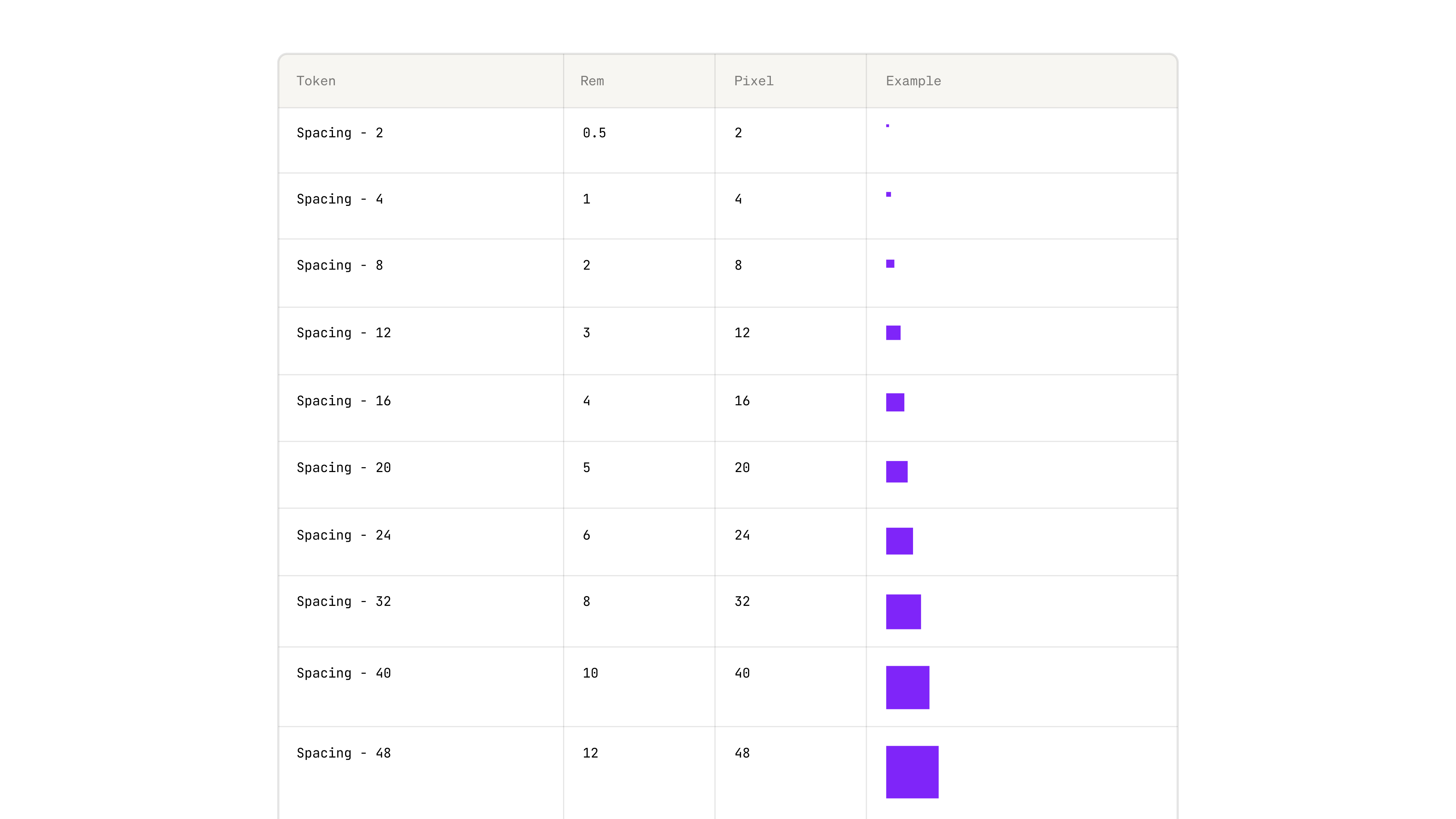
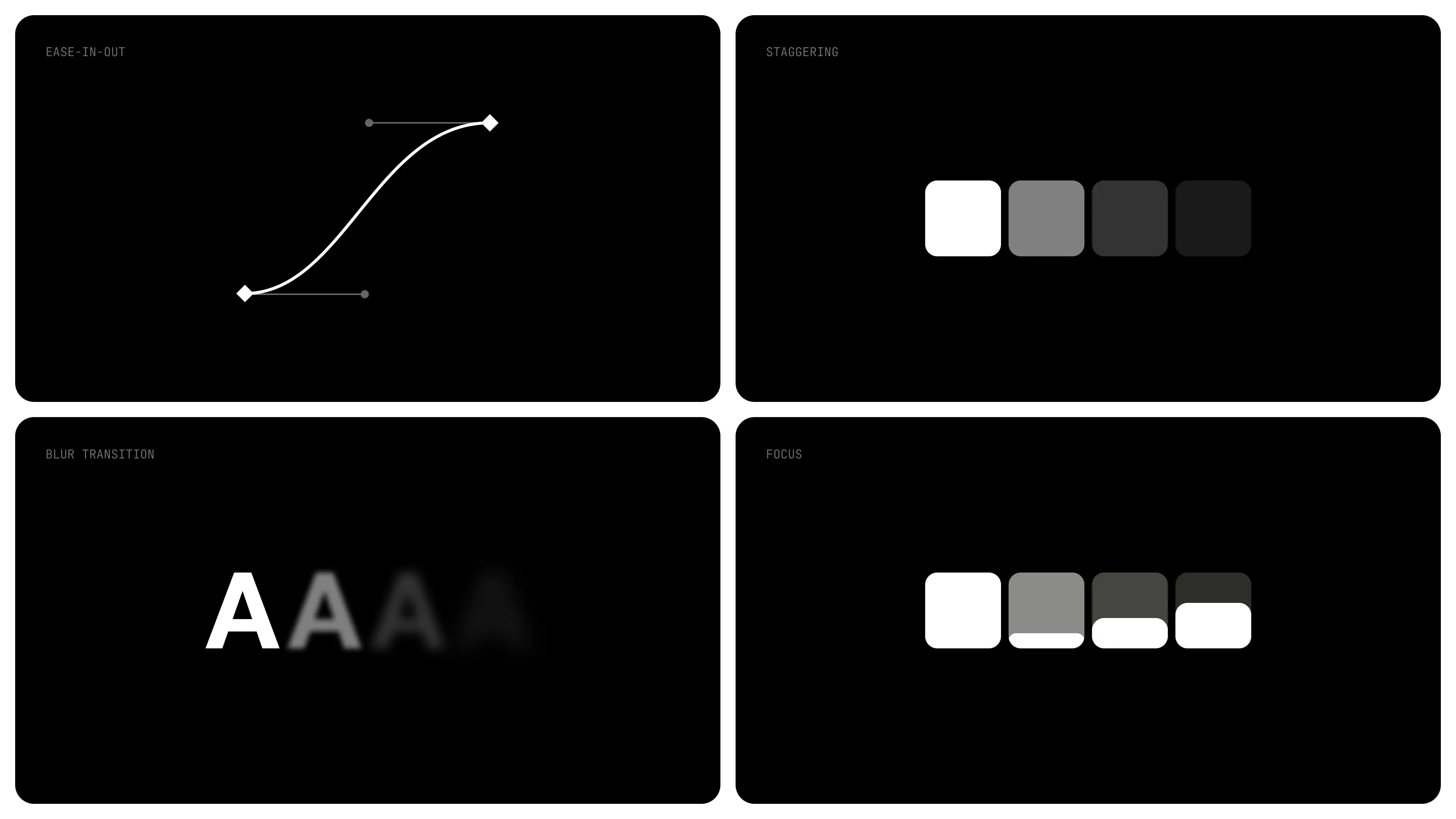
Because it gives a growing team a map. Atoms (color, type, icons, elevation, grid, spacing) are decided once and shared across product lines, molecules like fields and toasts are built from them, organisms like navigation bars and product cards come next, and templates and pages sit on top. The payoff is day to day: engineers can work independently when design isn't in the room, and spacing becomes something nobody thinks about because it's right.