



From day one, Surge needed more than a brand that looked good. They needed design that built credibility, earned trust, and scaled with them as they grew. They needed a design partner that ensures they stand out in the crowded world of AI infrastructure.
They chose Konpo. More than a vendor, we became their plug-and-play design team: senior talent embedded alongside leadership, shaping everything from their first identity to their website, product, and systems. At every stage, Surge found in Konpo a partner they could depend on.

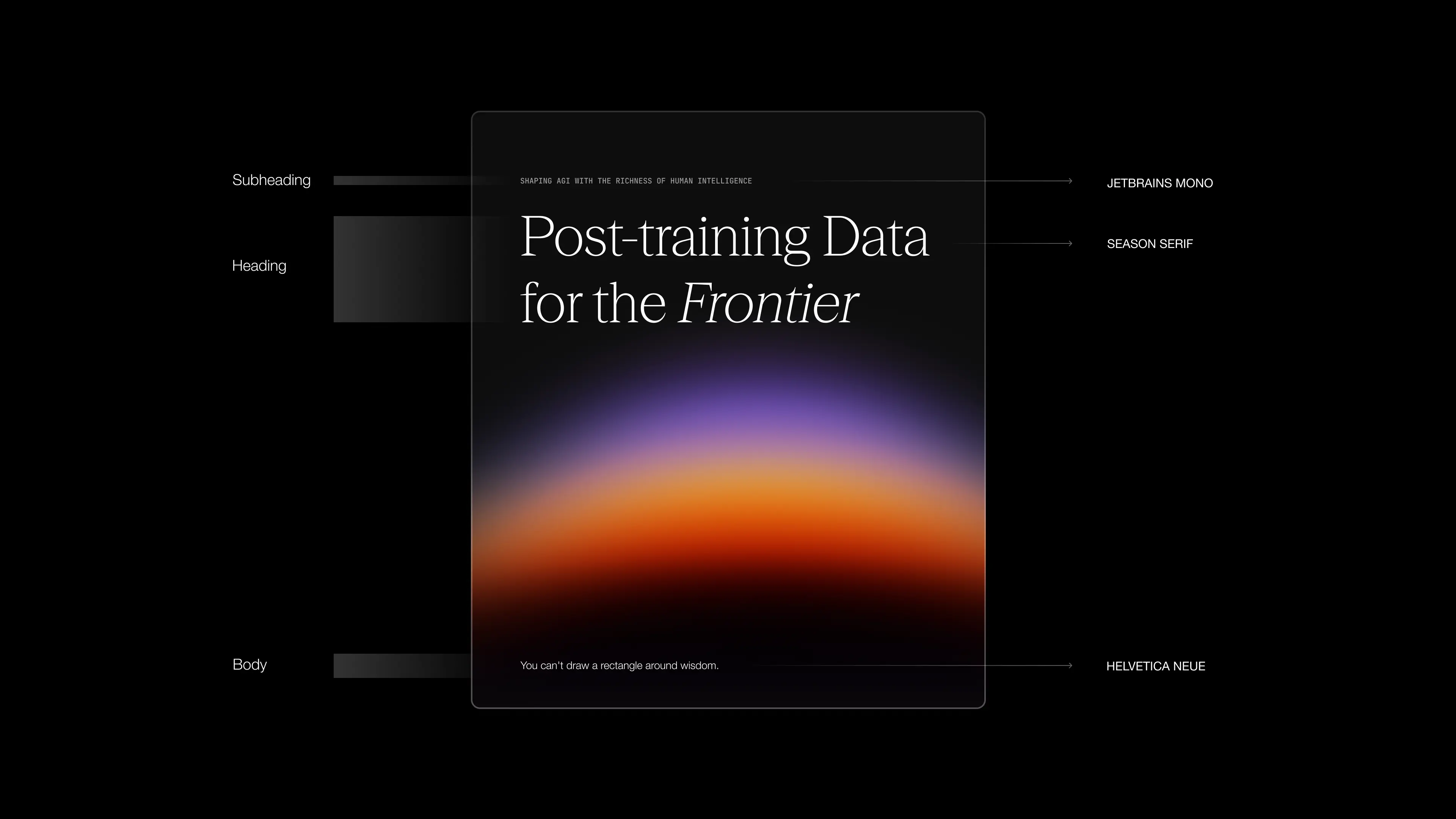
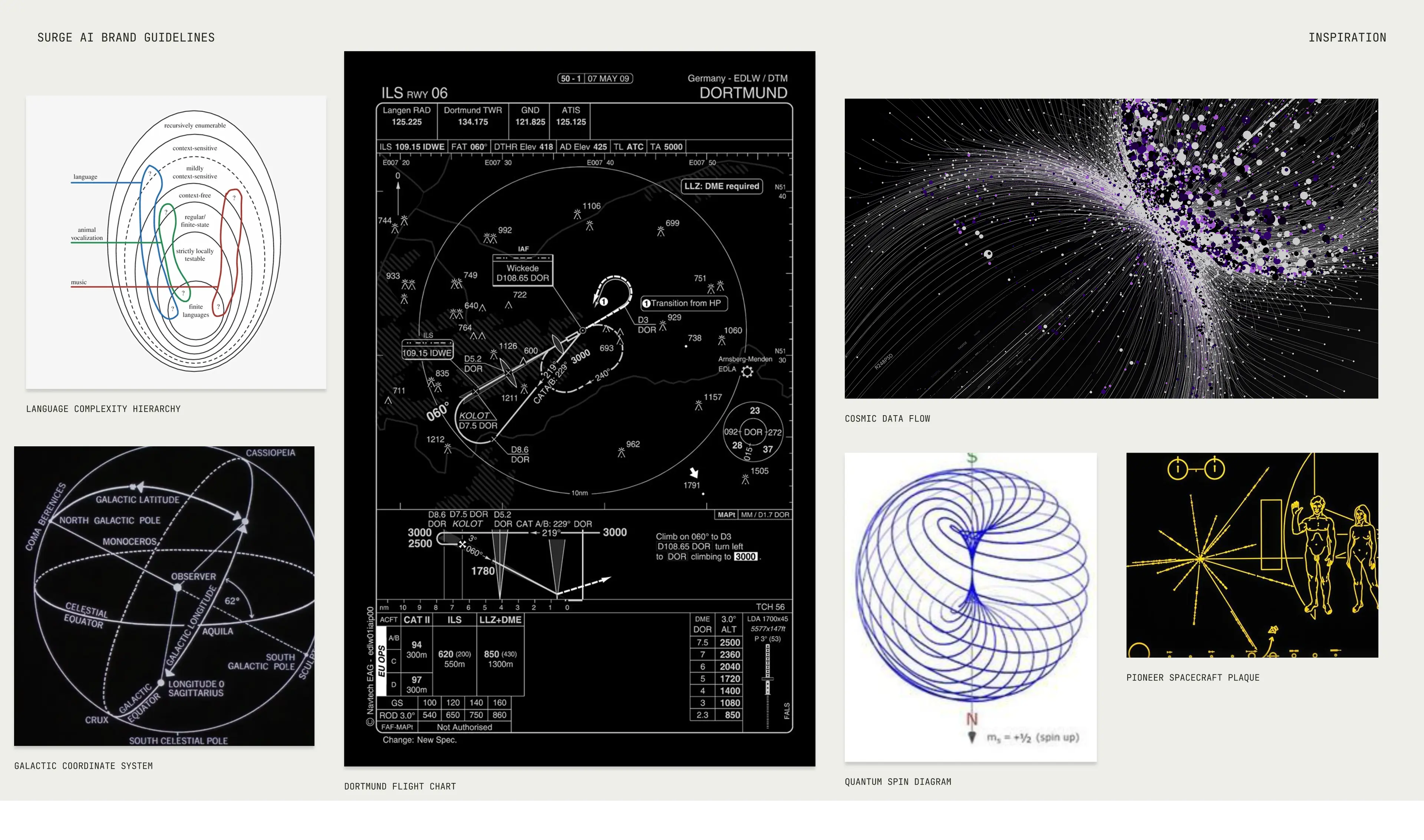

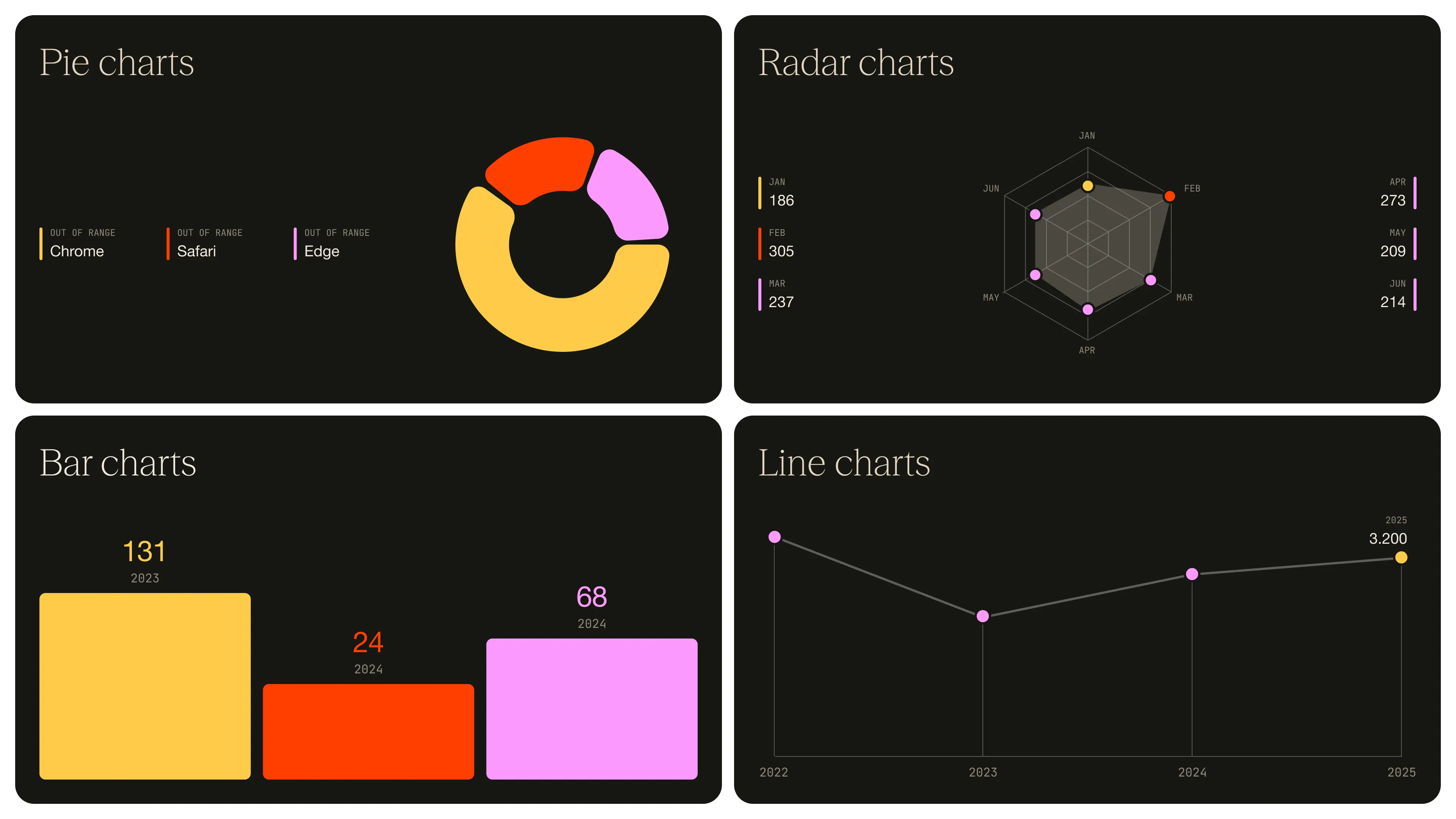

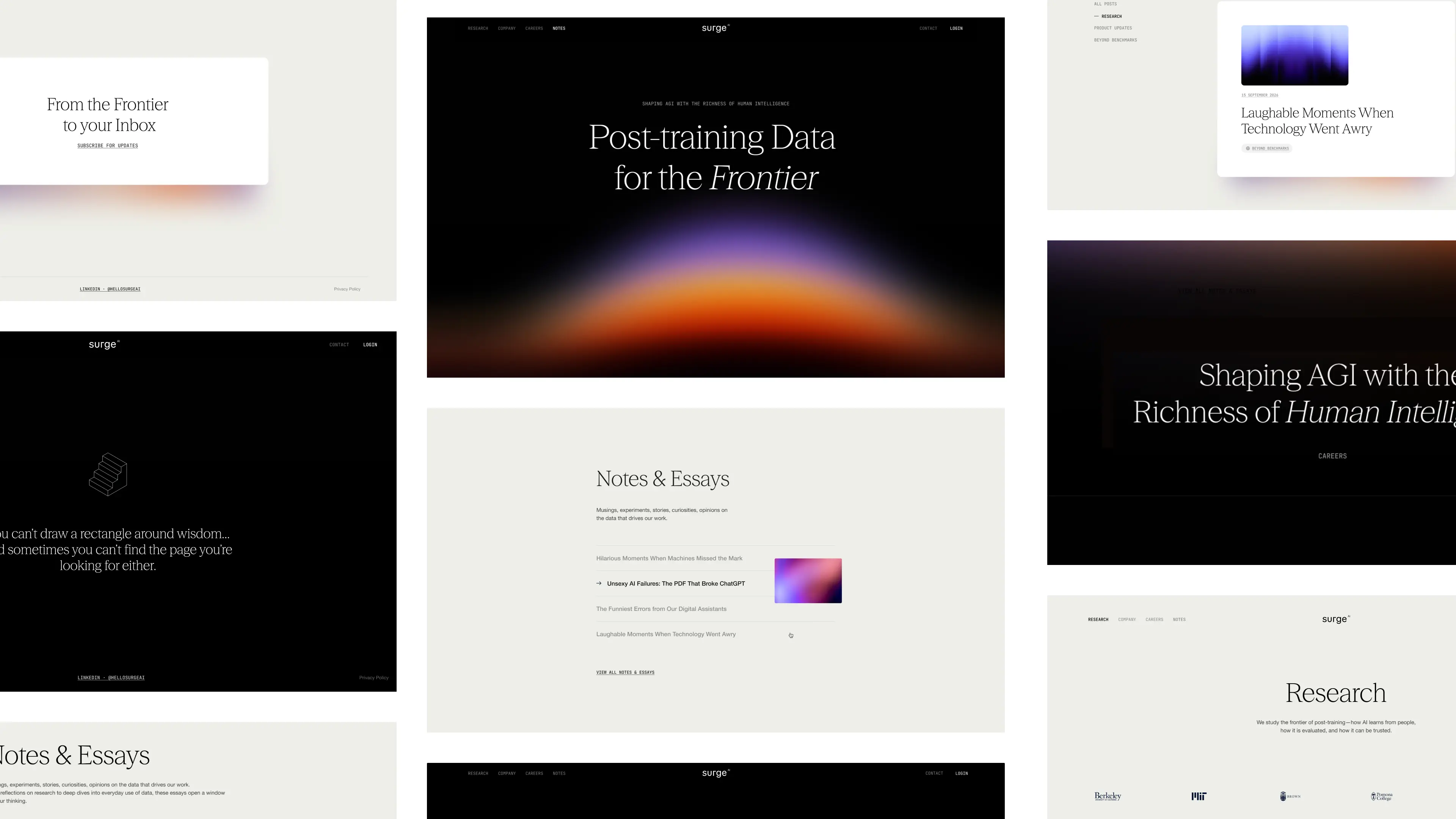




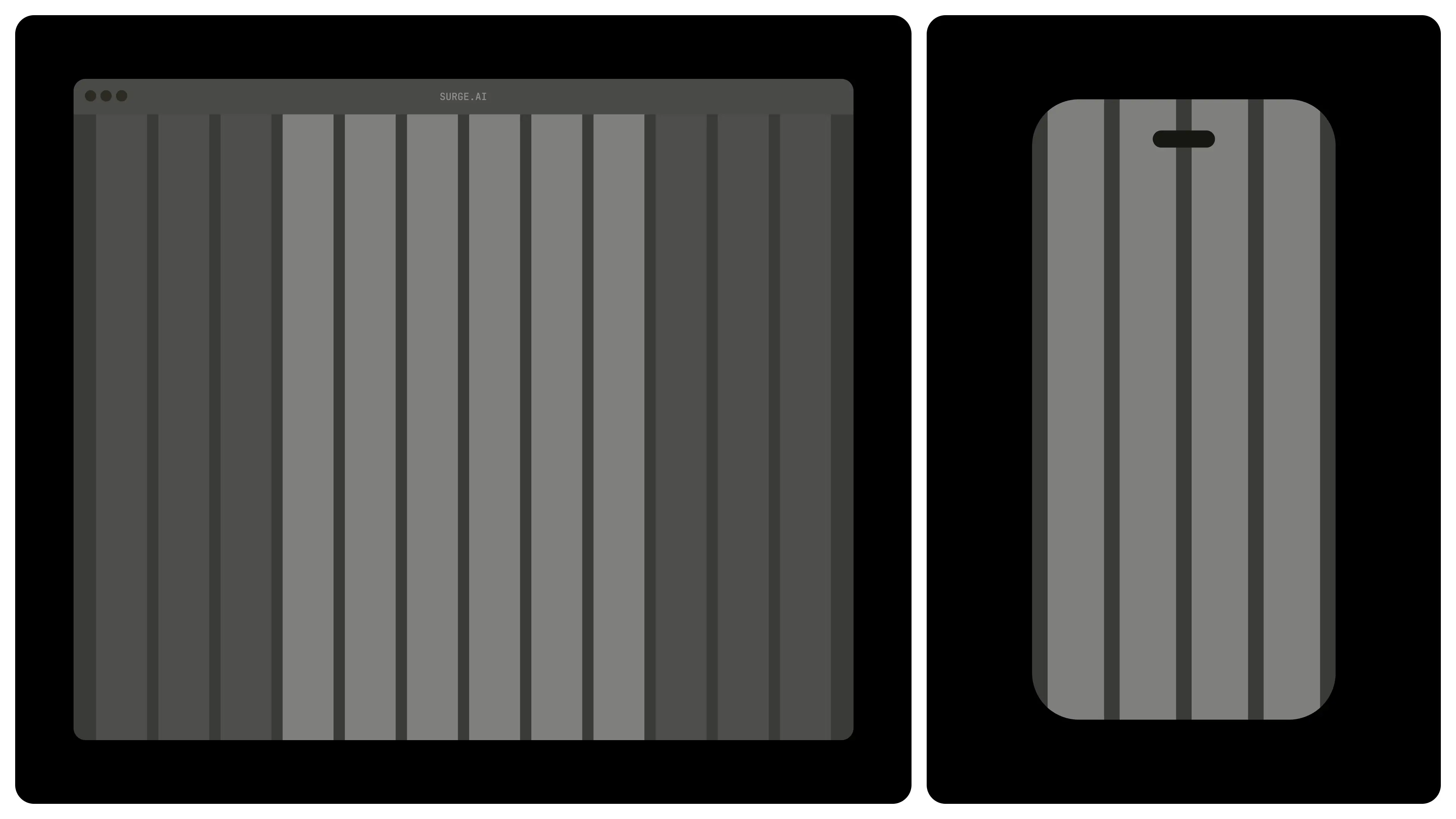
Our collaboration has become a long-term partnership that helped Surge grow from early explorations to a brand adopted by the leading AI and technology companies and a product internationally recognized and awarded.
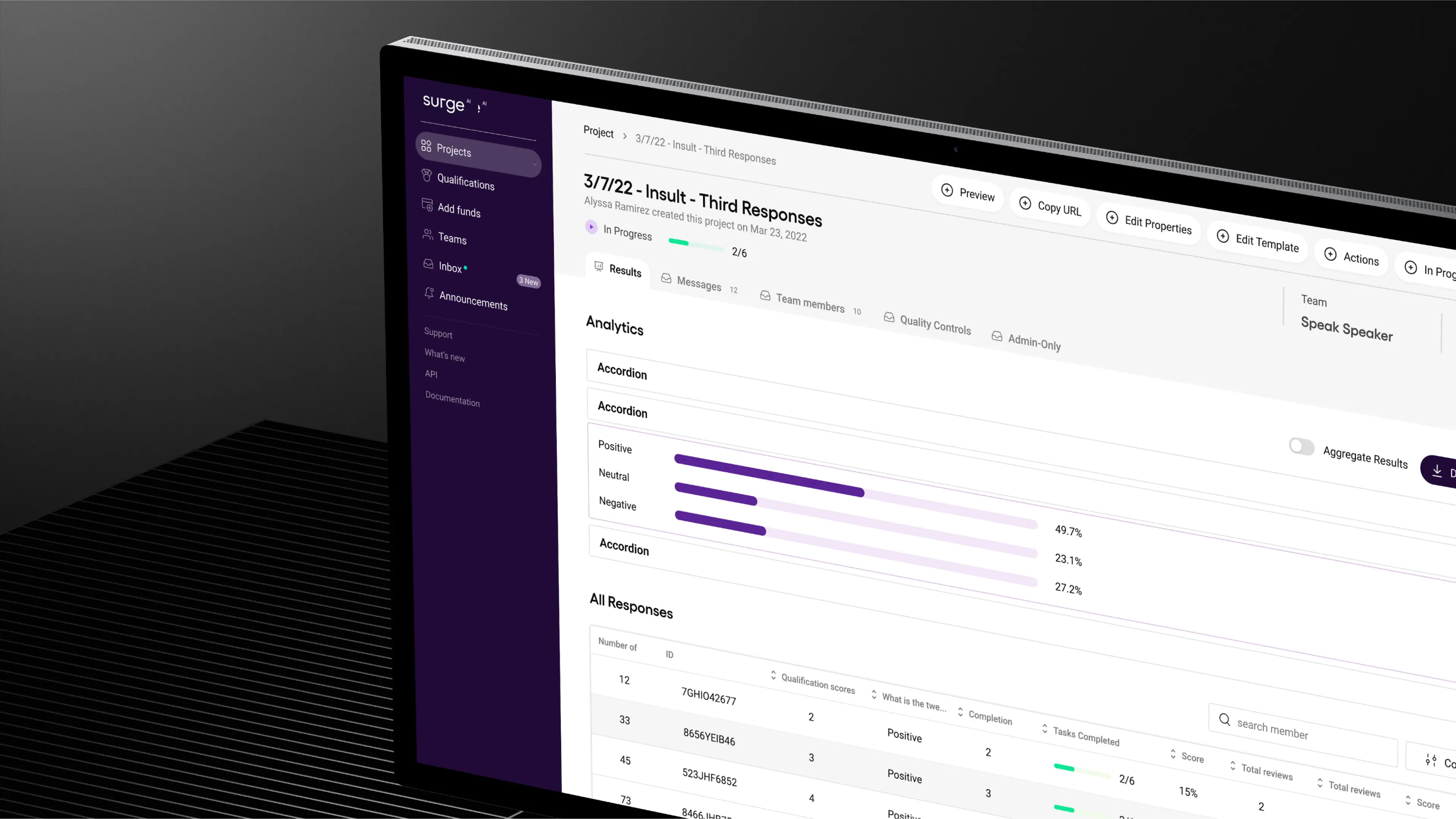
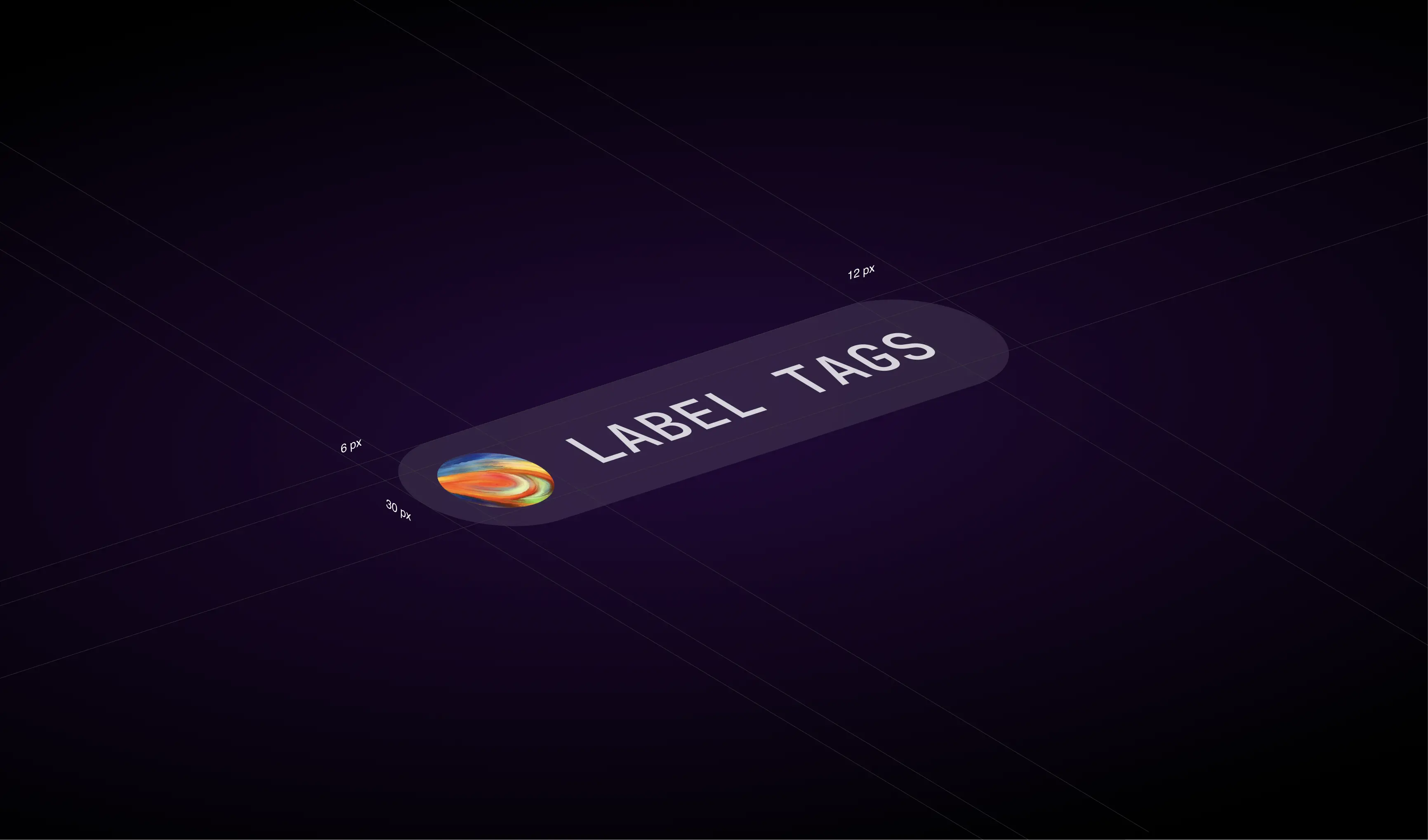
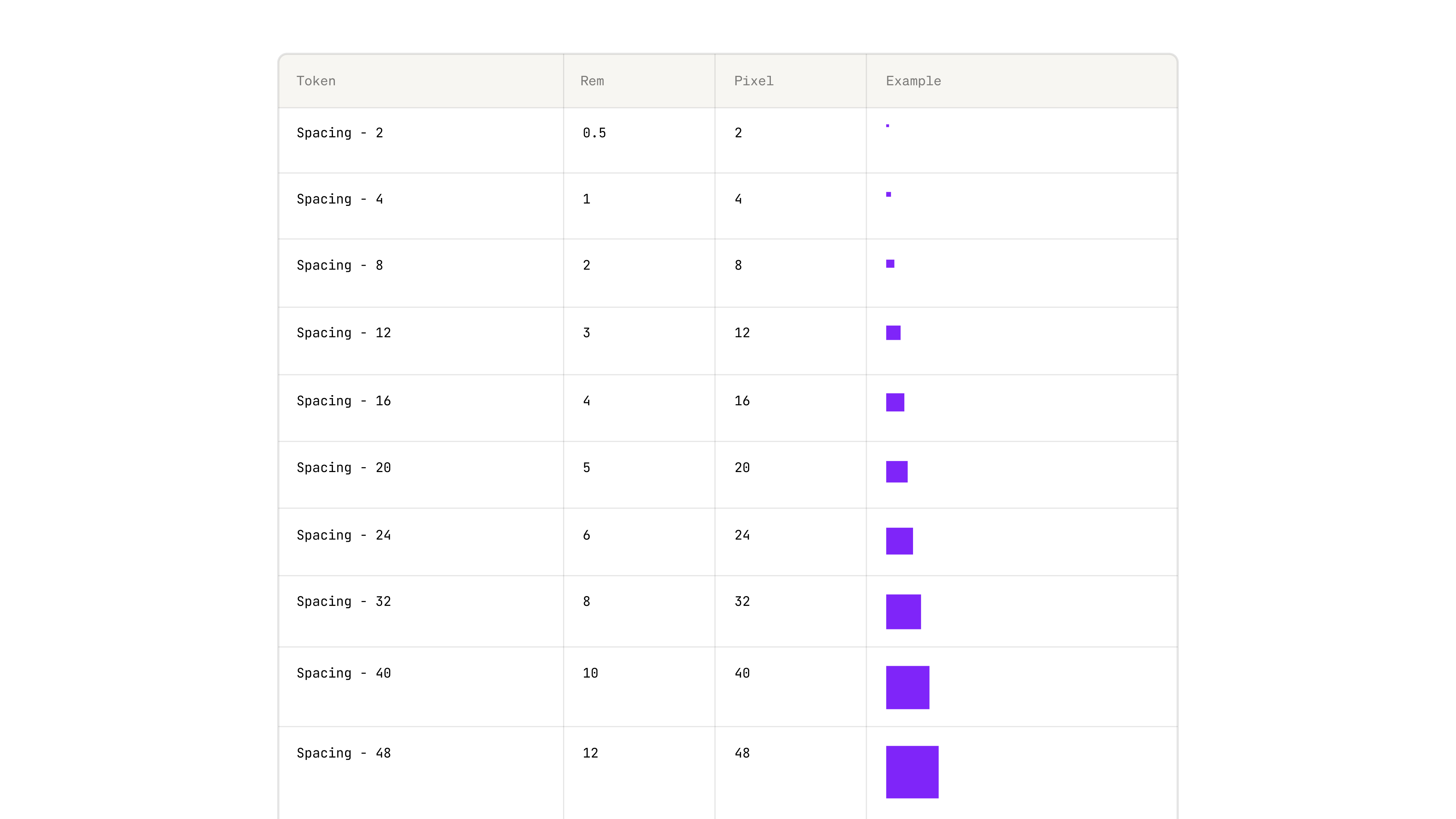
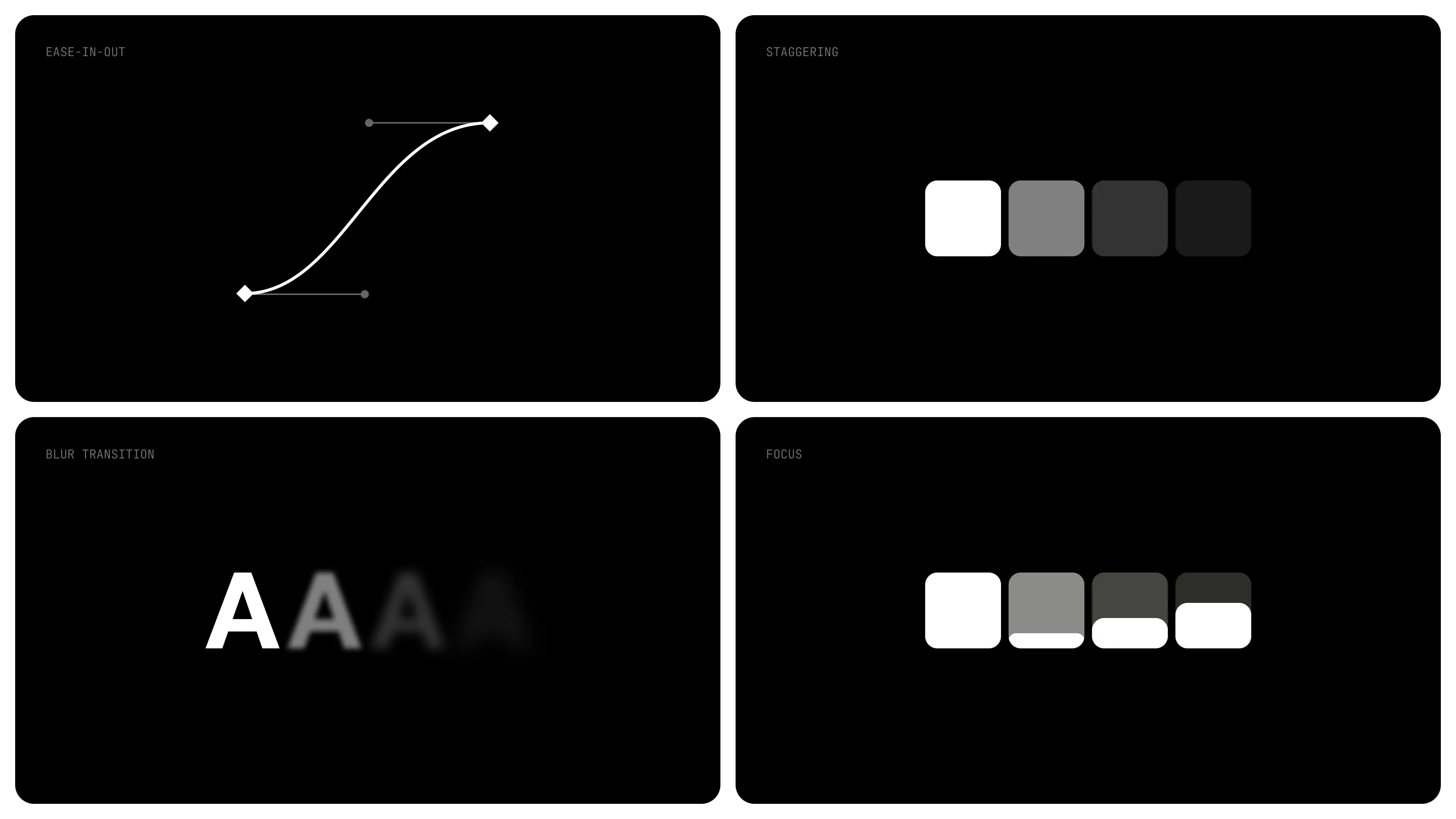
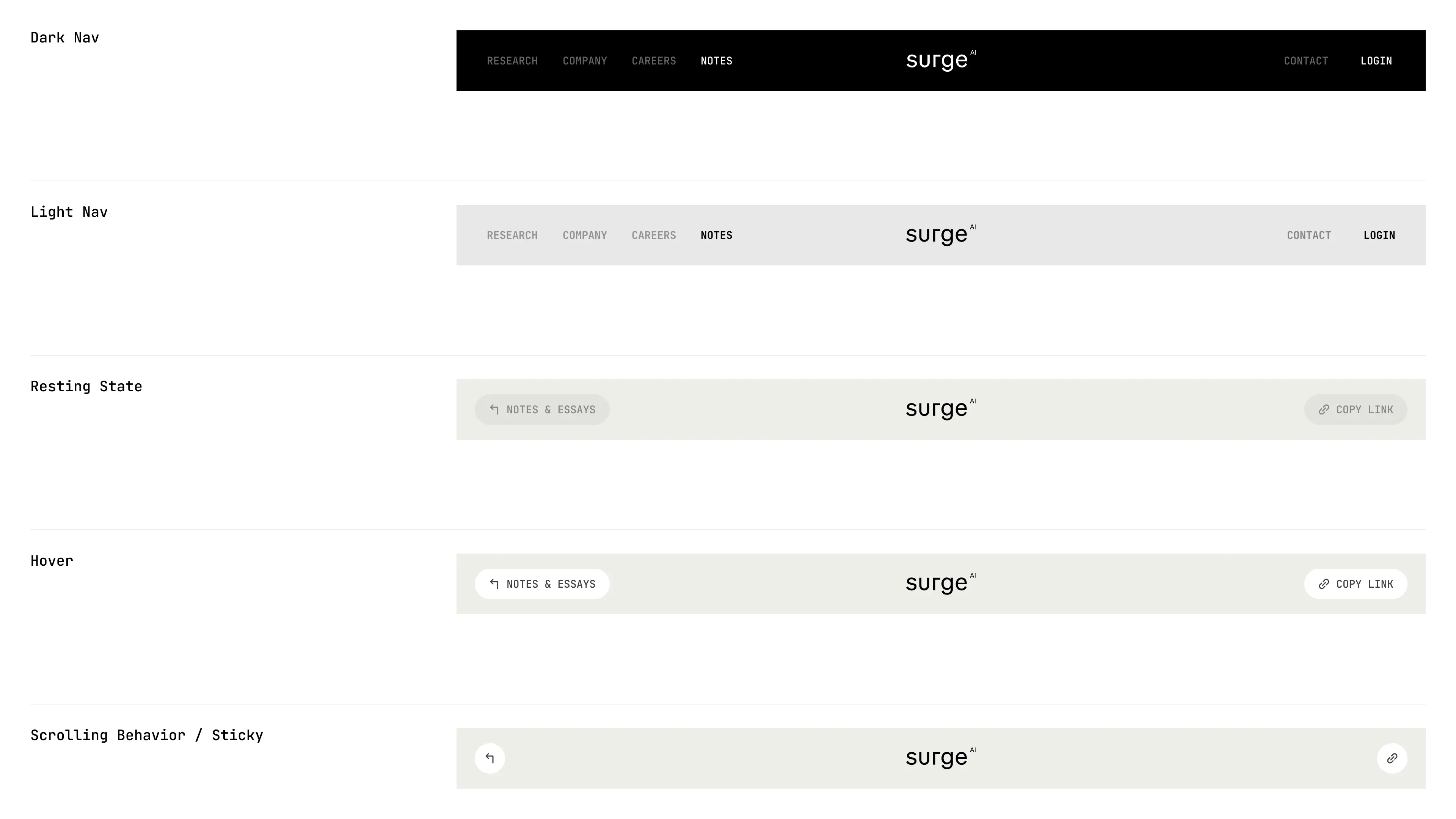
We built a bold, distinctive identity in an industry defined by sameness, designed a product experience that balanced delight with enterprise-grade usability, and crafted a design system to keep them consistent as they scaled.
As Surge now looks to fetch a valuation of over $15 billion in its first capital raise, we’re leading phase two of their branding. The goal: to build a brand that not only wins attention and trust, but one that matches the ambition and credibility of a company operating at that scale.
- Founder - Edwin Chen
- Year - 2025
- Industry - Artificial Intelligence
- Scope - Brand · Site · Systems
- Website - www.surgehq.ai

ComPsych needed a rebrand built to win. Younger competitors with sharper, design-driven branding were pulling attention away from the world’s largest provider of employee assistance programs (EAPs), a company supporting over 130 million people across 190 countries. They turned to Konpo to make sure their brand matched their scale and credibility. The mission: win back market share, turn reputation into loyalty, and defend their position at the top.
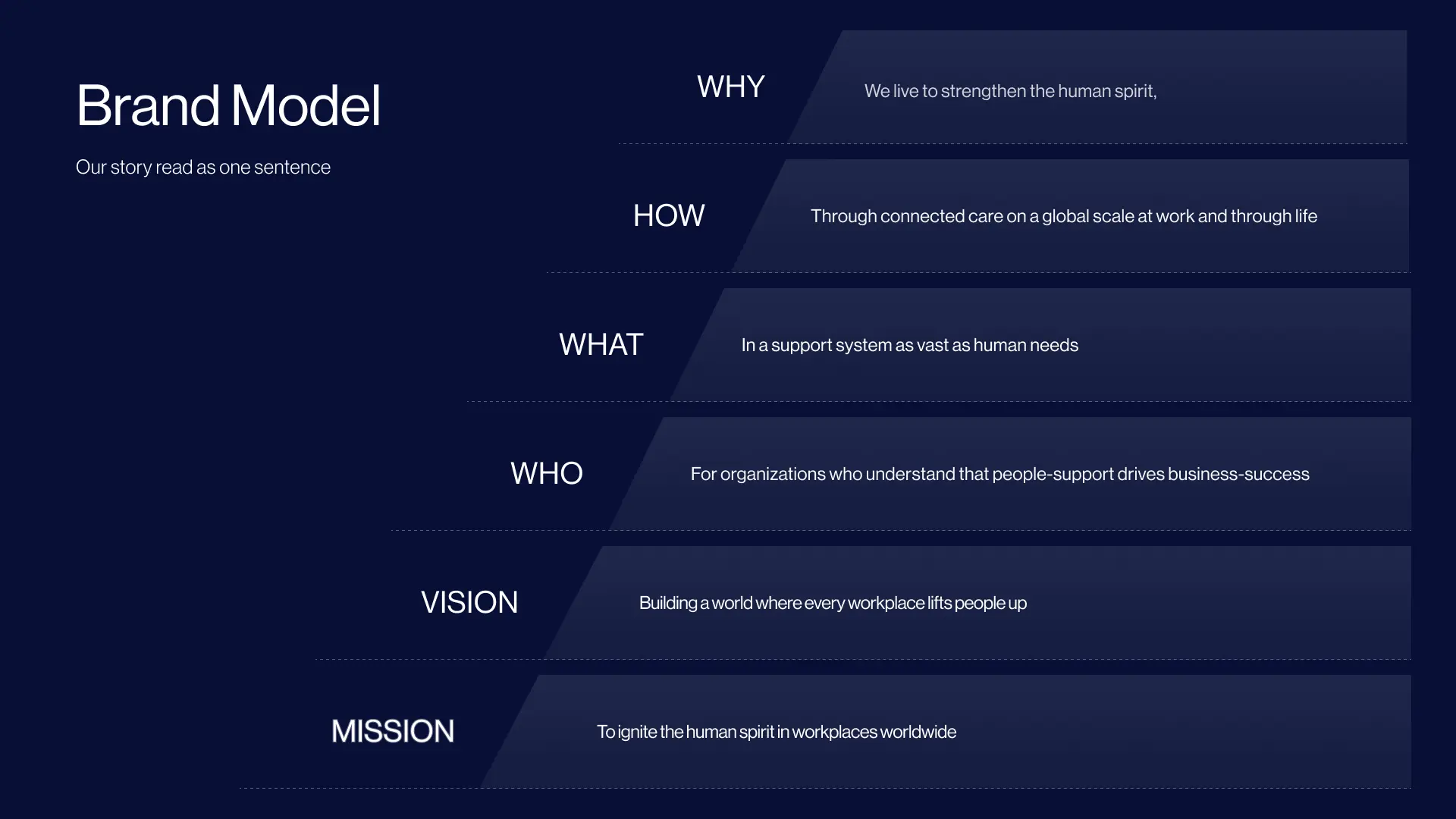
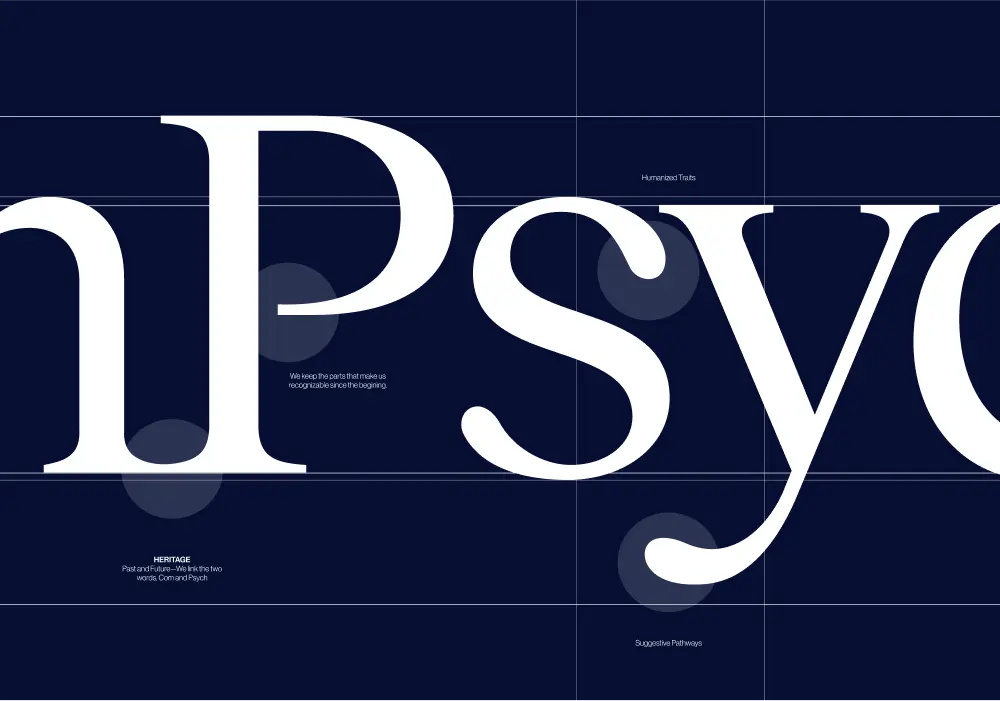
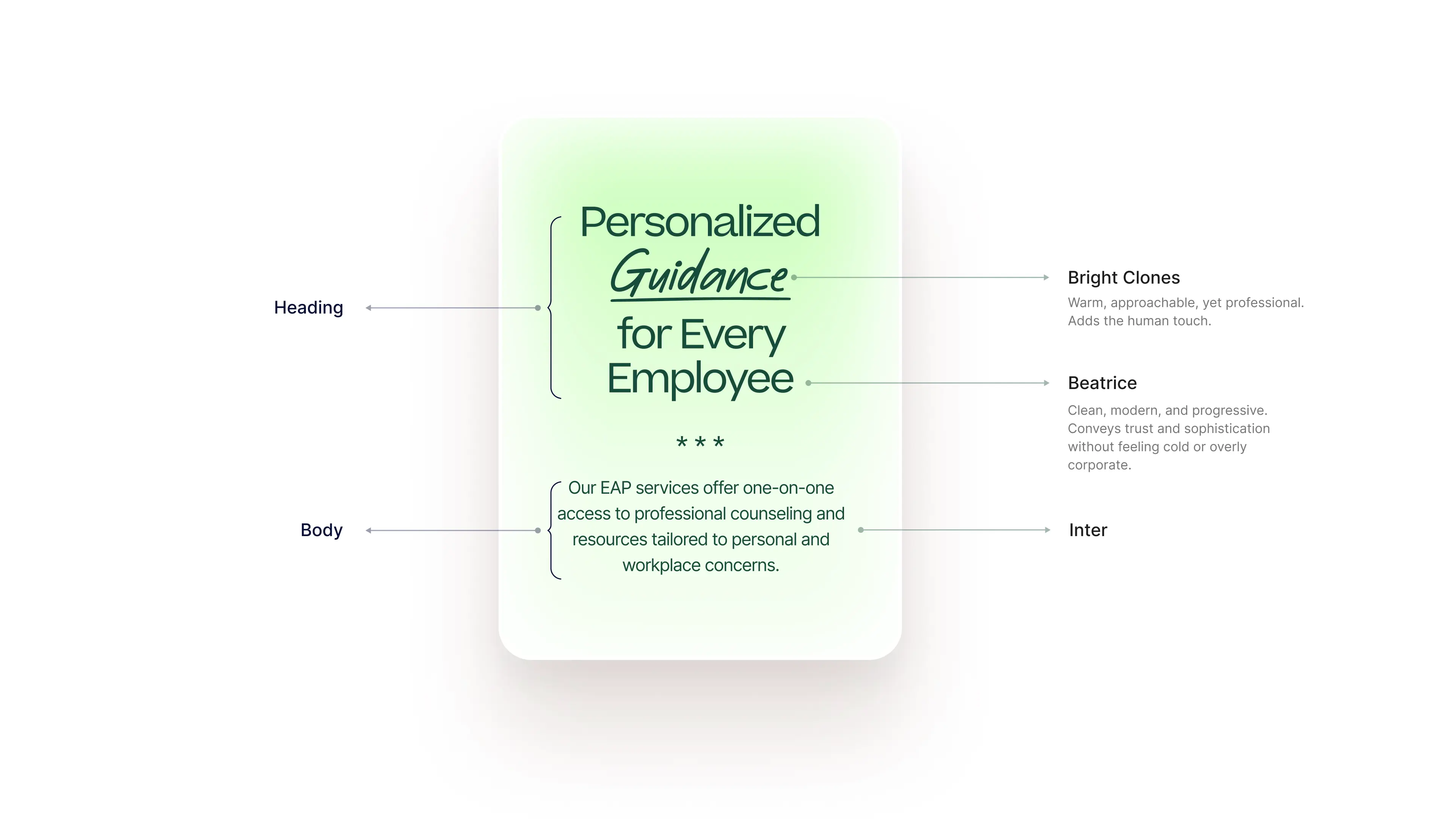
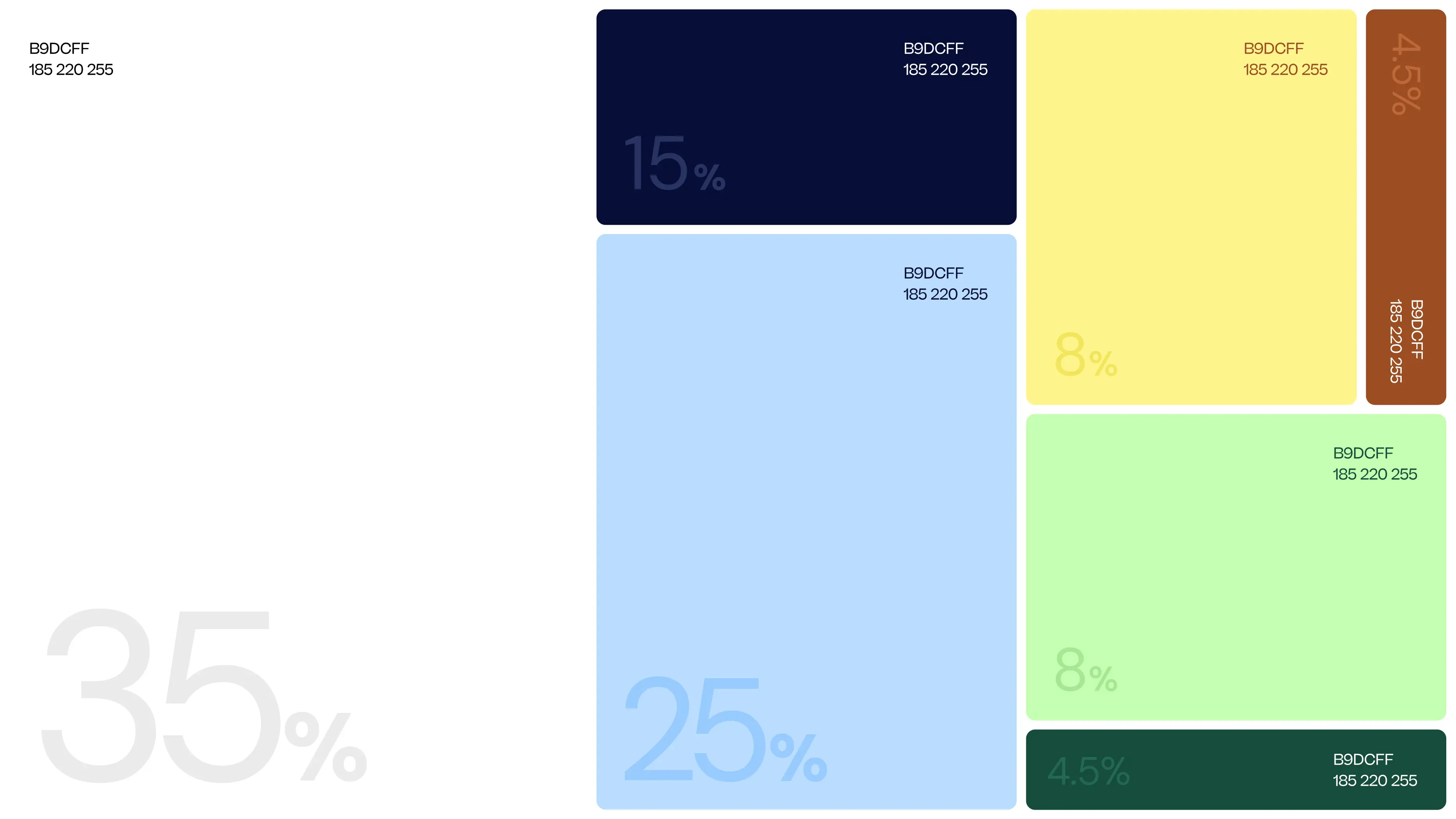

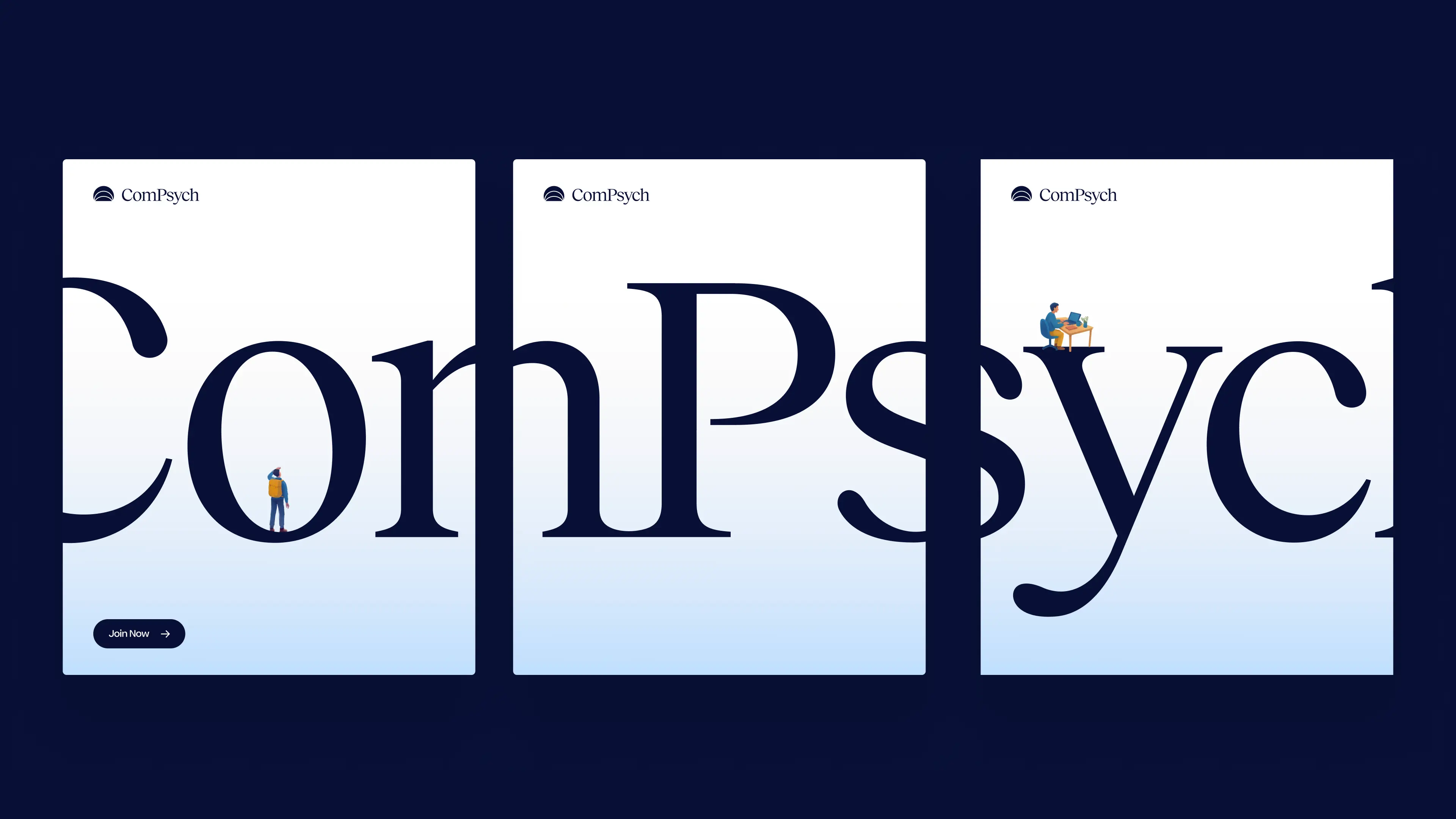
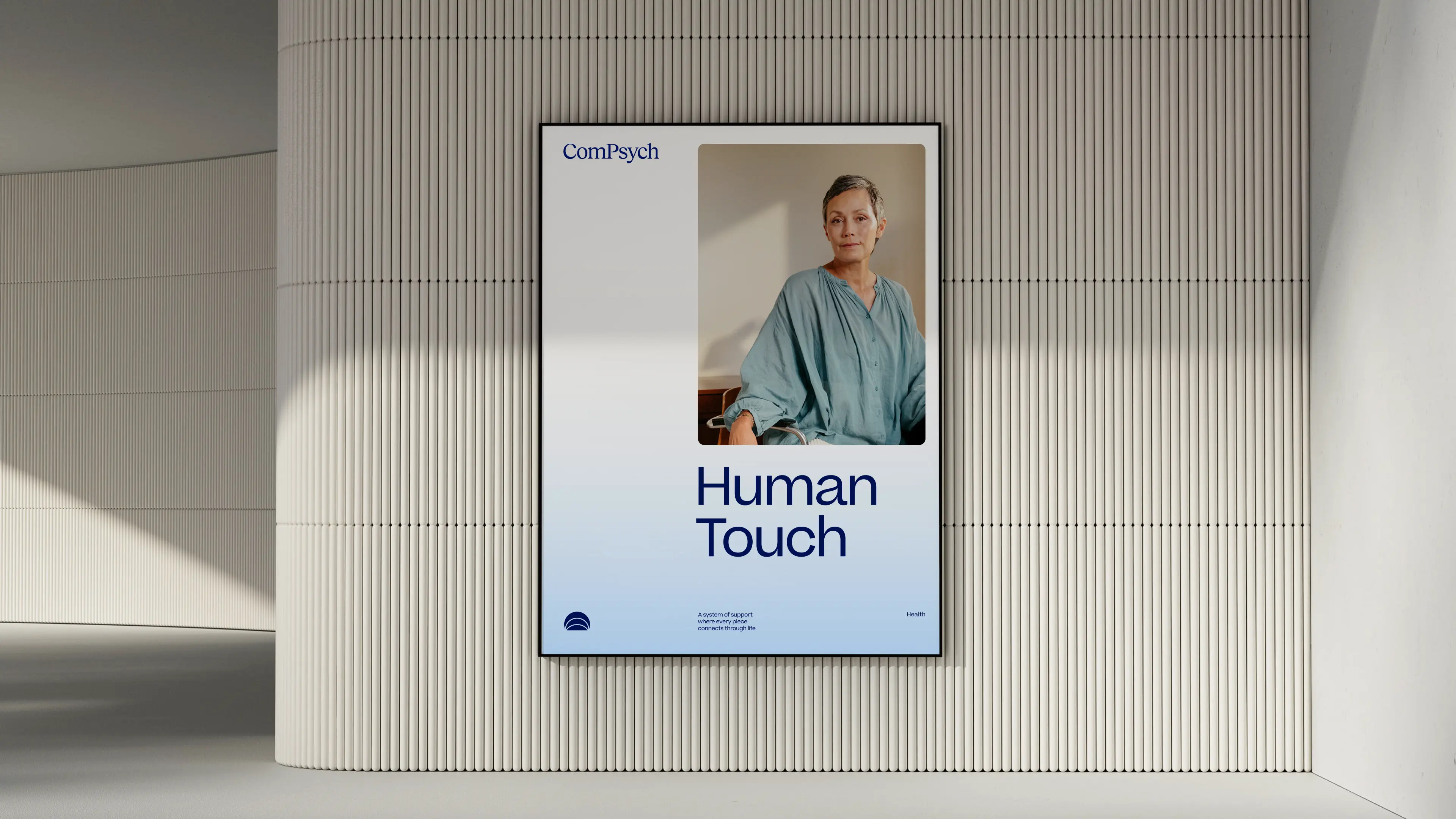
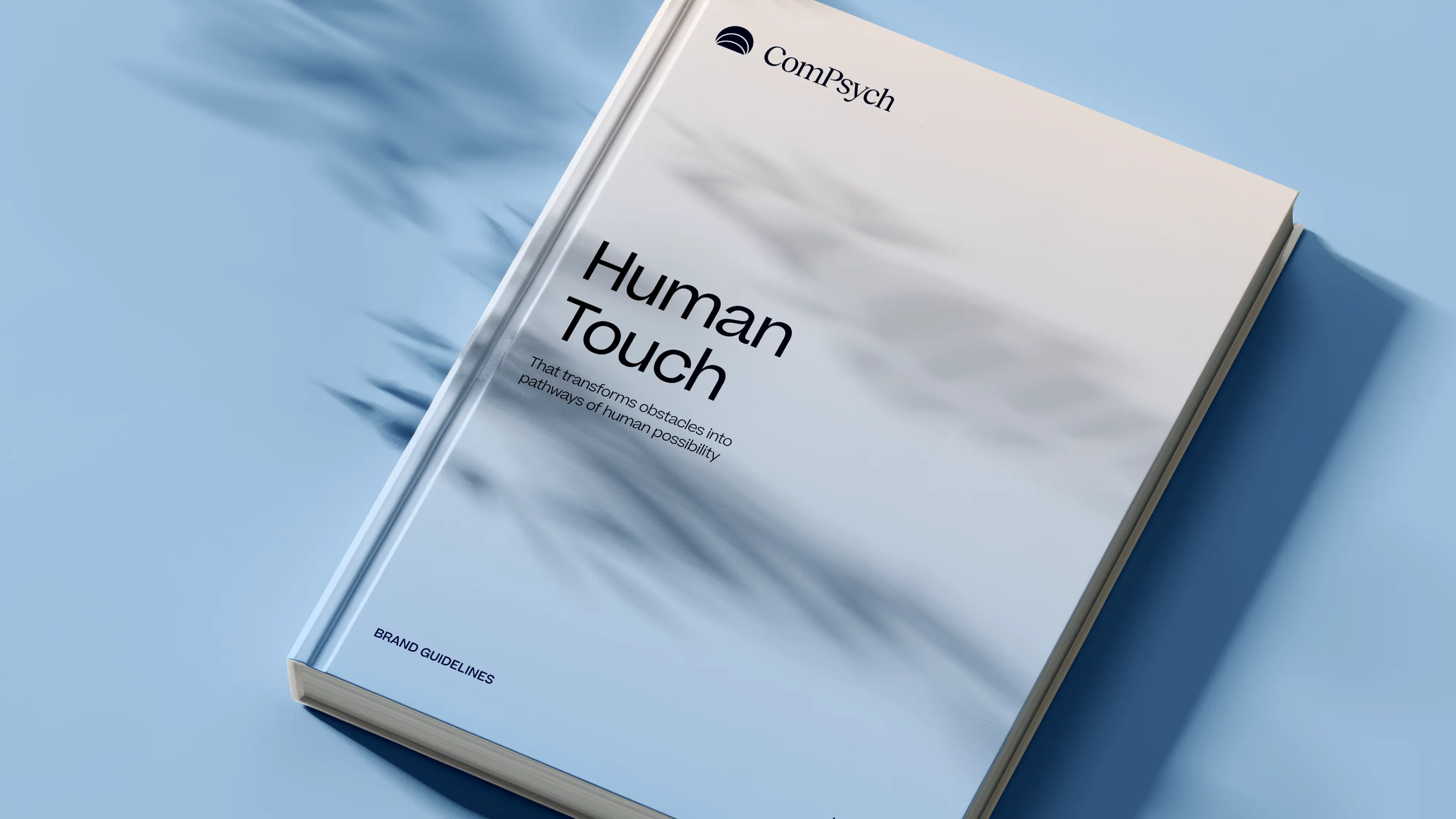
Every element of the ComPsych rebrand was built to show the strength of a category leader, but for today’s market and tomorrow’s. The new logo centers on a glowing core, with expanding ripples signalling growth, support, and scale. Their signature blue was sharpened with a modern palette designed to stand out with confidence, not noise. But what’s a rebrand without discipline to execute it? We built a dedicated brand hub that gave ComPsych everything, from logos to illustrations to voice, to apply their new identity consistently across 75,000+ organizations worldwide. And we delivered it beyond our original scope. The result: a brand that doesn’t just keep up with the competition, but takes back the lead. With a stronger identity and a system to sustain it, ComPsych now has the edge to defend its dominance and keep winning in a design-driven market.
- Industry - Employee Assistance Program (EAP)
- Scope - Brand
- Brand Hub - compsych.konpo.co
- Website - compsych.com
amp Fitness set out to launch its AI-powered strength training system with leadership and talent from Apple, DraftKings, Meta, Nike, and Spotify — people who held the highest design standards. To stand out in a crowded fitness space, they needed a design partner who could move as fast as they did and deliver world-class quality. That’s where Konpo came in. As their plug-and-play design studio, we worked elbow-to-elbow with Amp’s leadership to marry hardware and software into a seamless consumer experience. From product design to scalable design systems, we turned their ambitious vision into award-winning, user-loved reality. When the standards are highest, the right design partner makes all the difference.

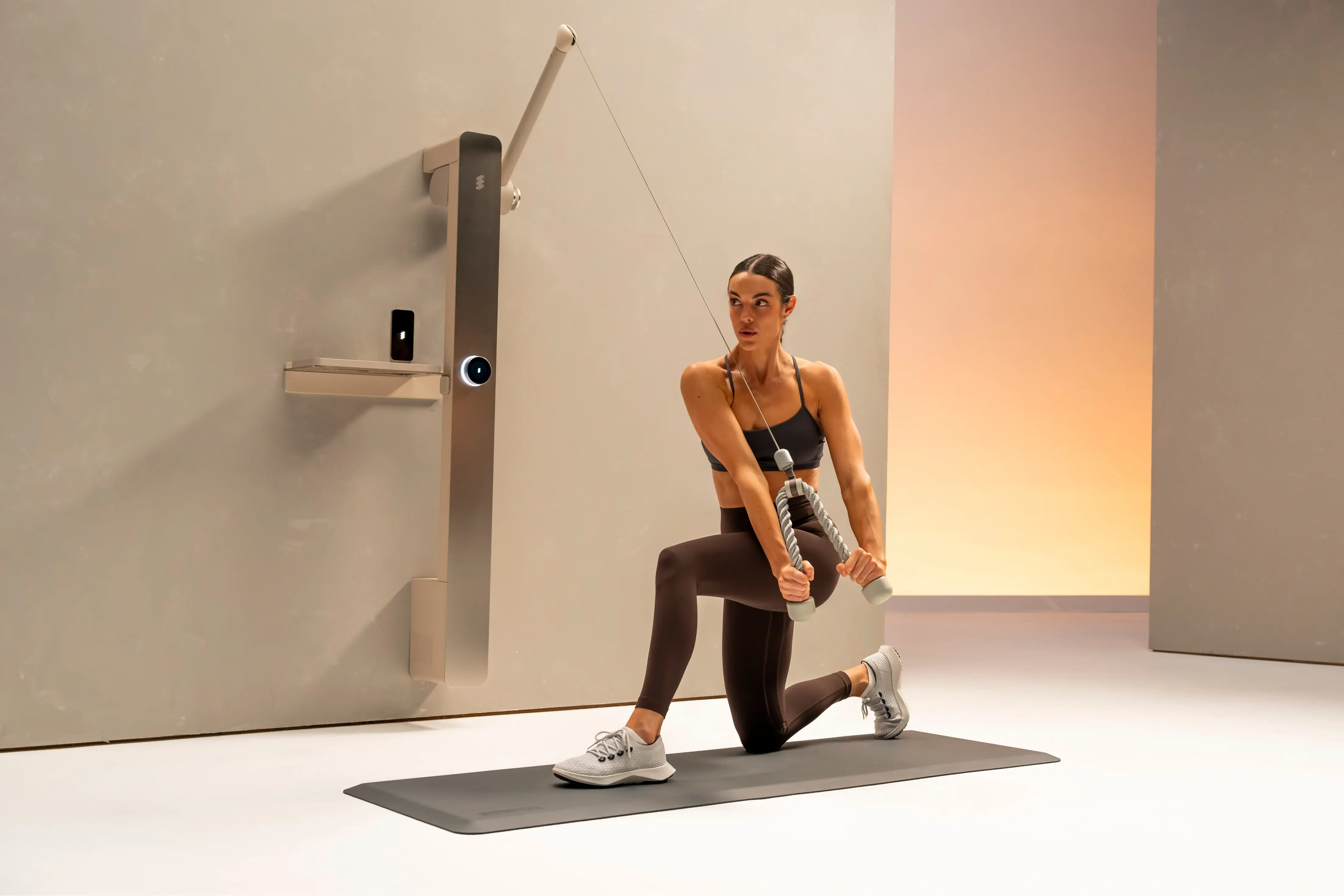
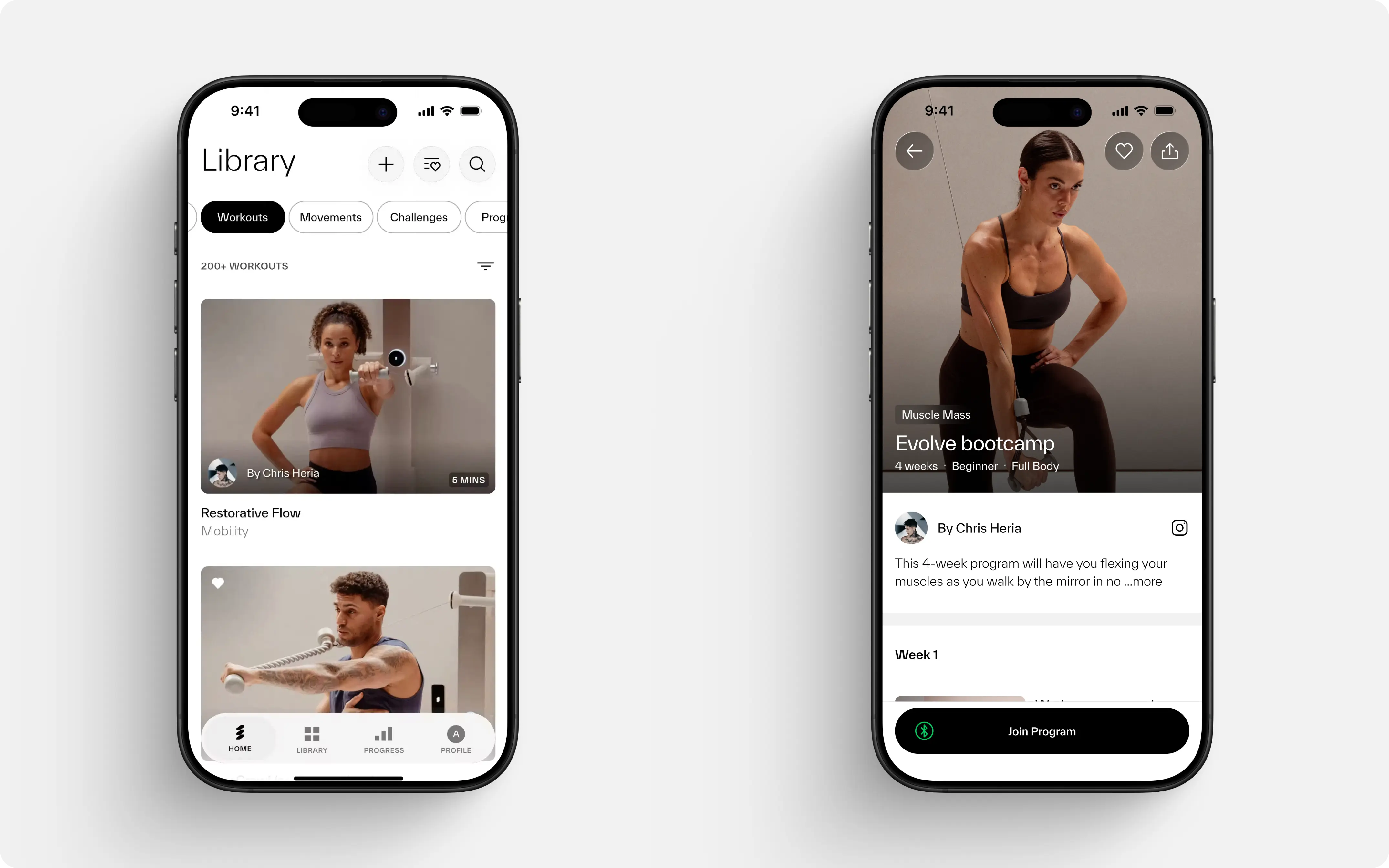
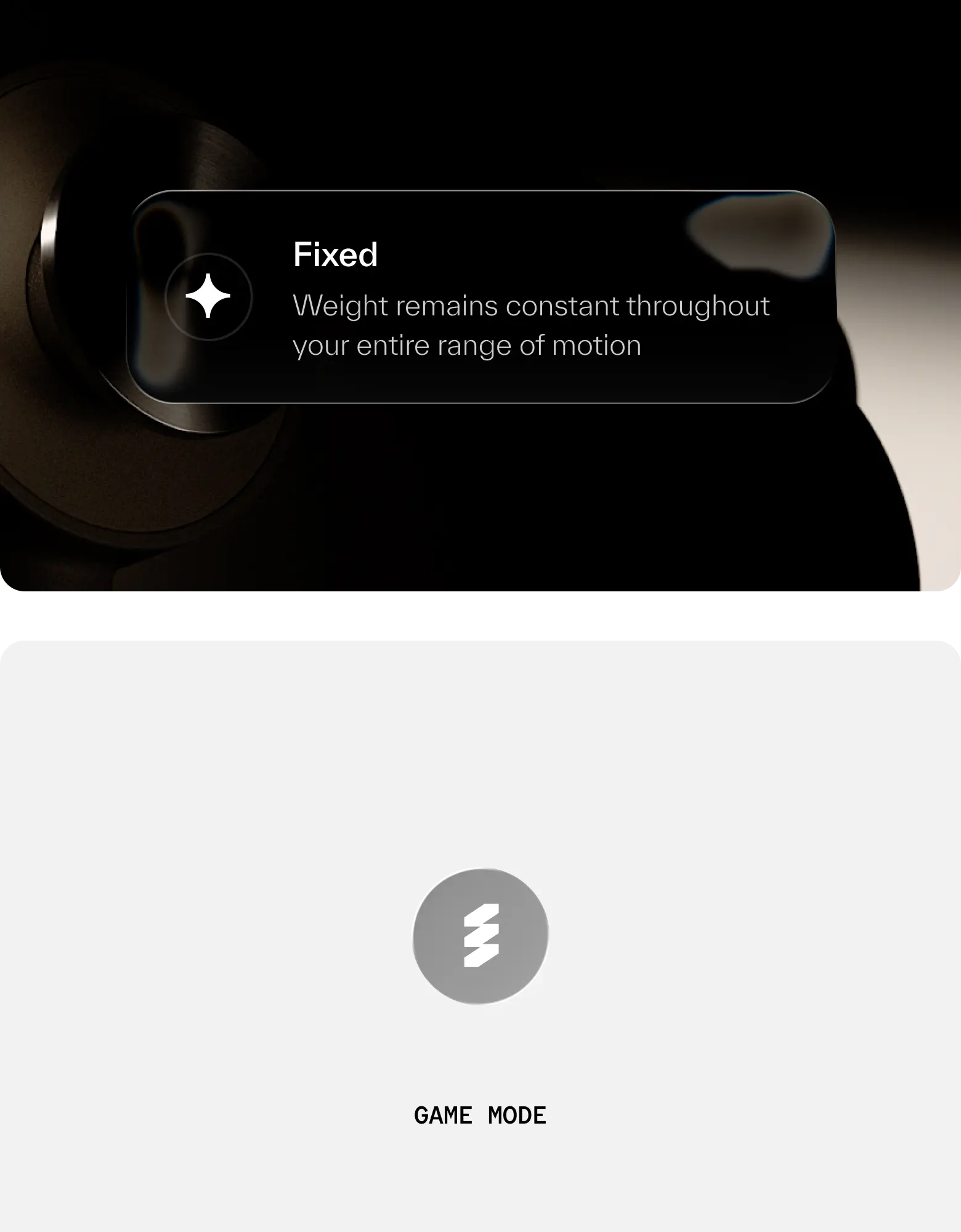
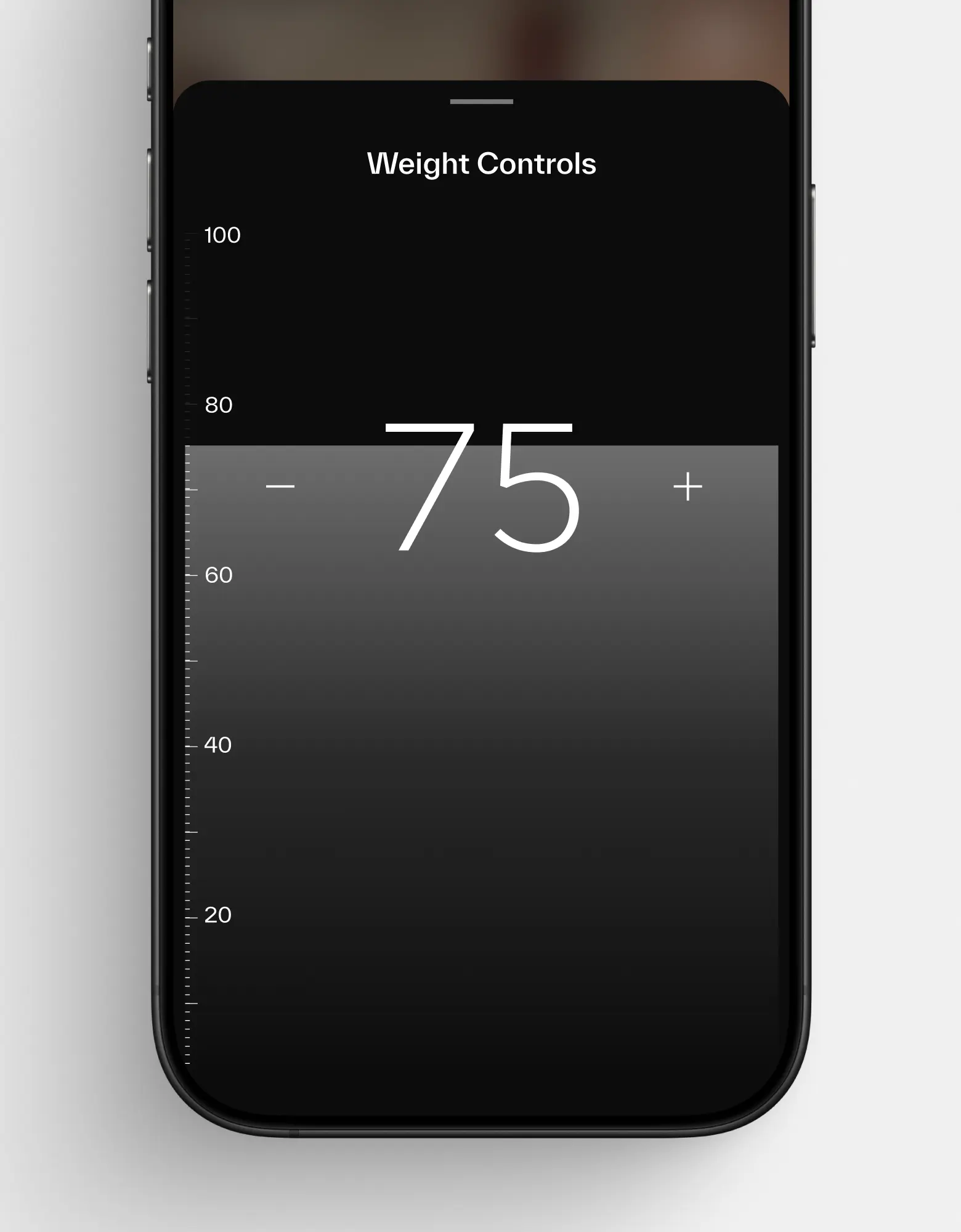
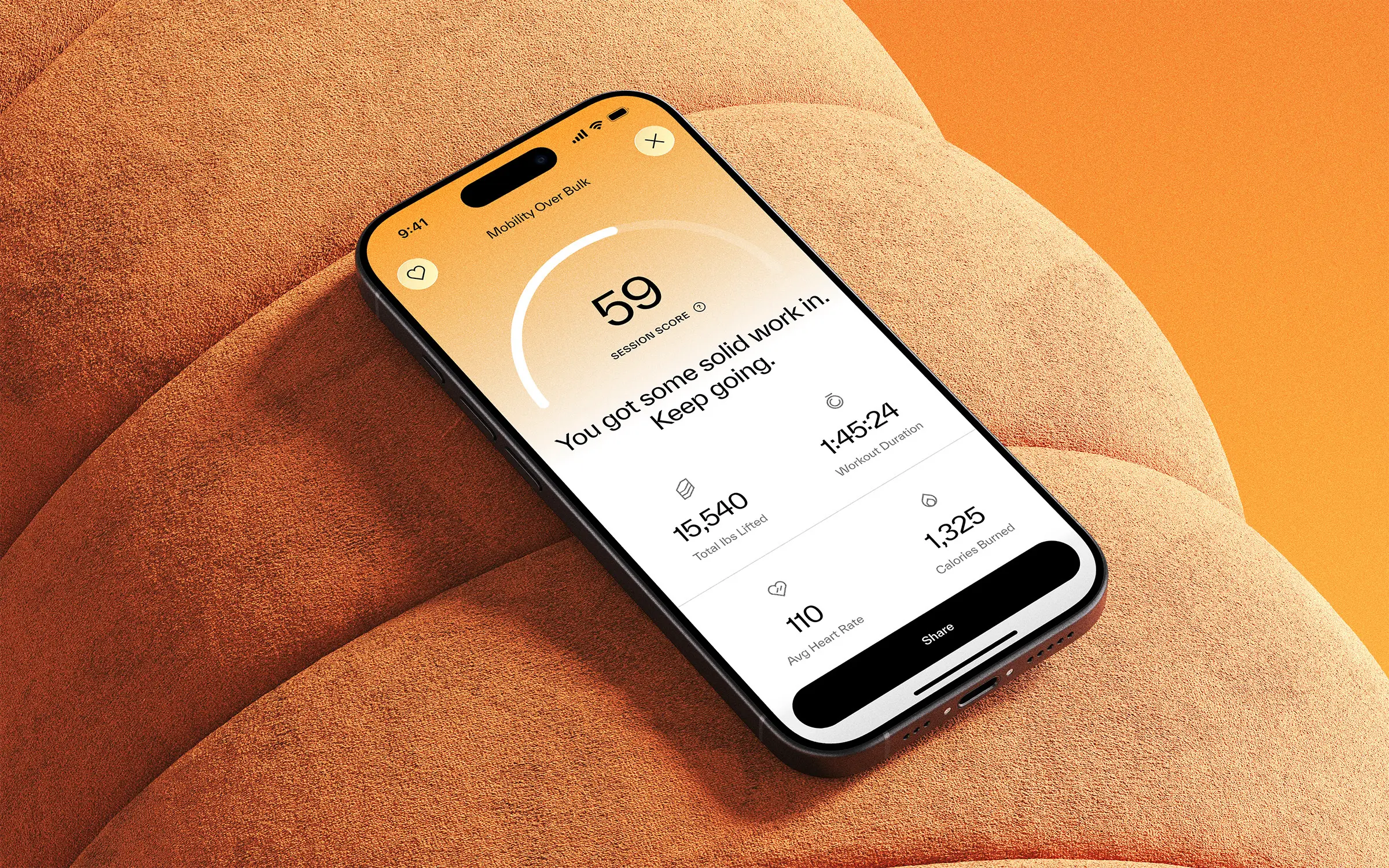

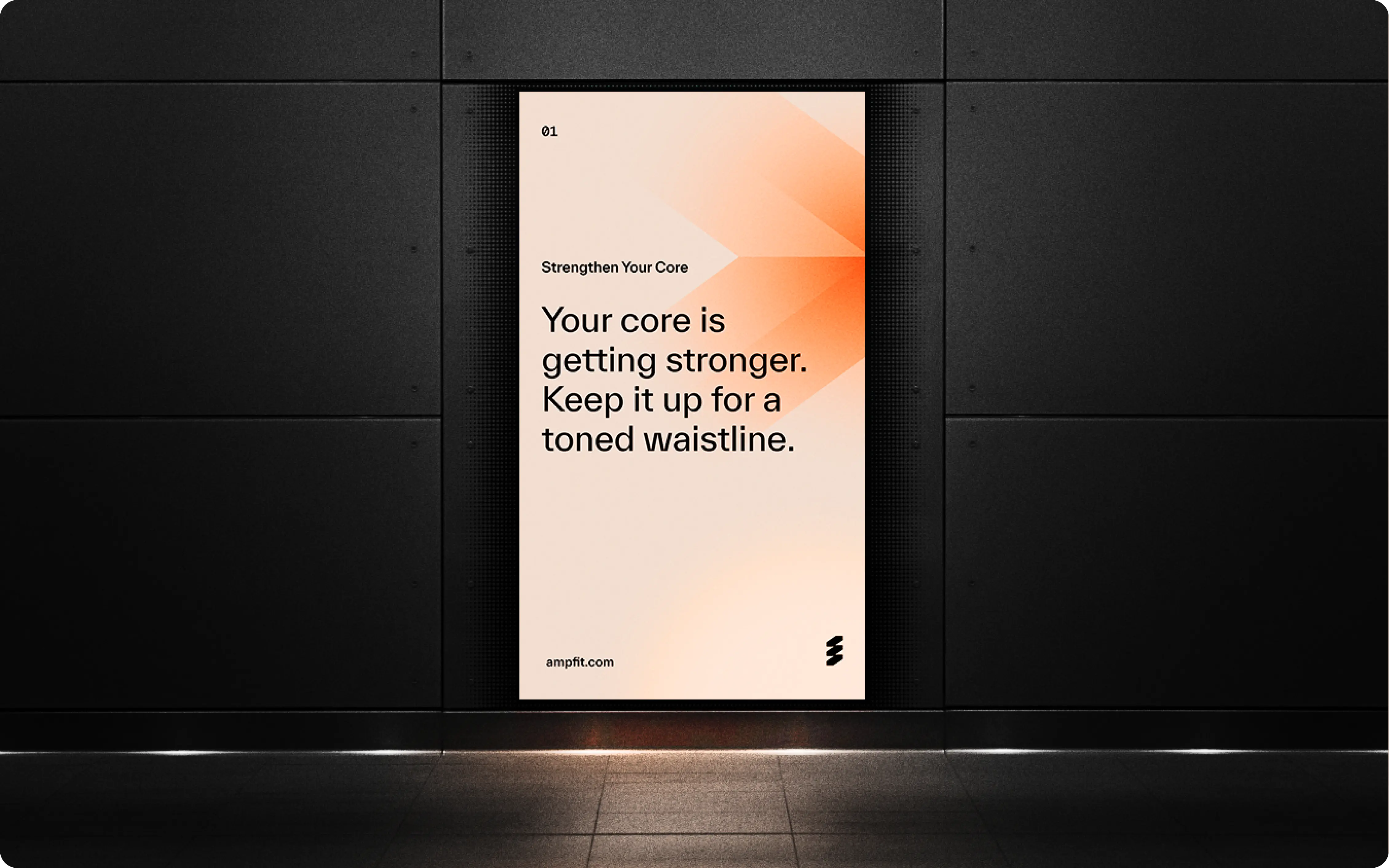
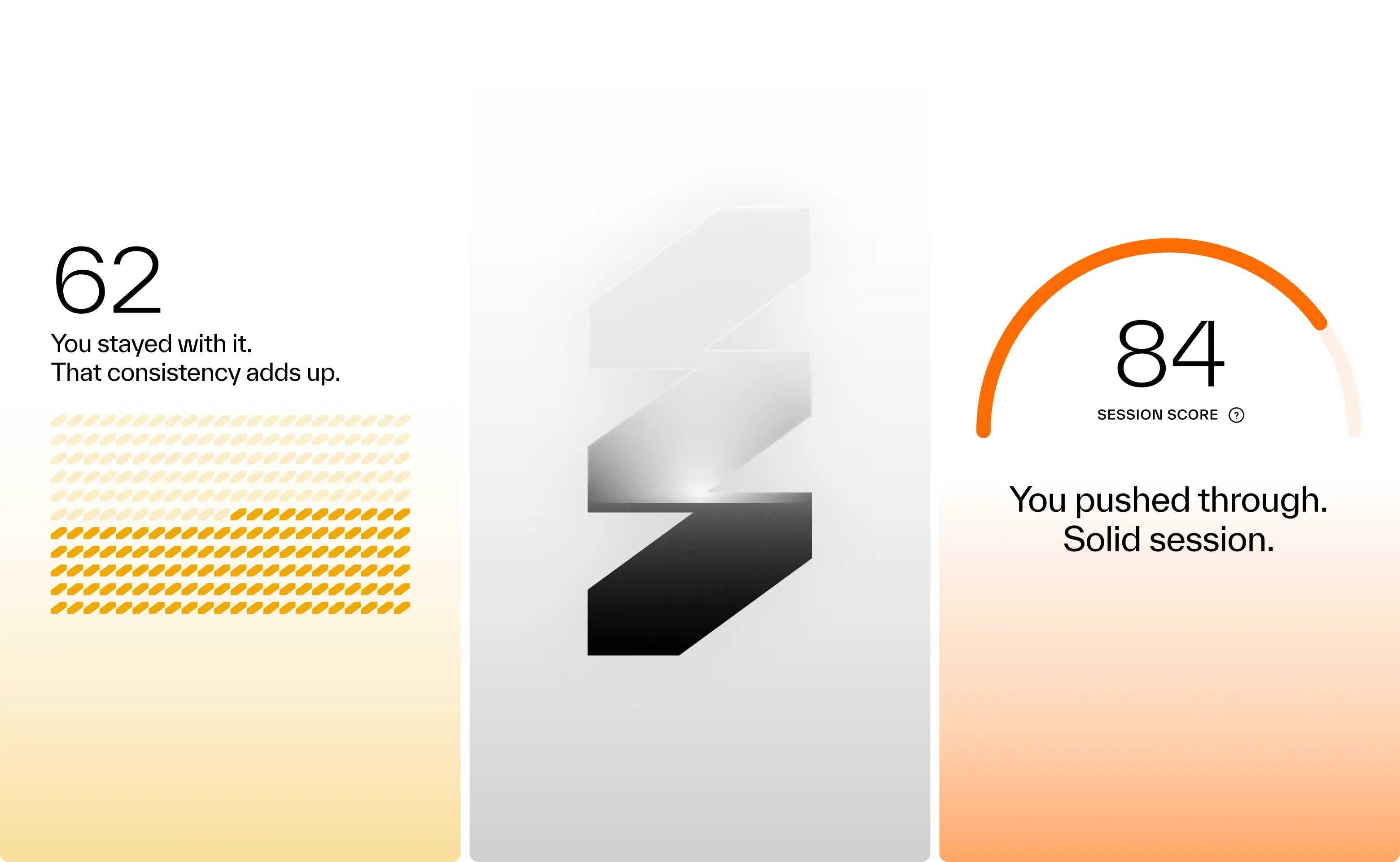

Results so far: 40,000 users, multiple awards, and a sleek wall-mounted system paired with a companion app. Working with amp meant translating adaptive resistance hardware, smart coaching, and modular accessories into a cohesive consumer experience. Add to that a team backed by Sports Science PhDs and leaders from Apple, Meta, and Nike, and the expectations were clear: nothing short of excellence would do. Rising to that challenge not only delivered results for amp, but pushed Konpo to sharpen our own systems and raise the bar. Challenge accepted. Mission accomplished.
- Founder - Shalom Meckenzie
- Year - 2024
- Industry - Fitness · Artificial Intelligence
- Scope - Brand · Product · Systems
- Website - www.ampfit.com
Designing the Future of Clinical Trials


With an approach that merges data, technology, and research, Clinical Ink has revolutionized centralized clinical trials, empowering the world's leading pharmaceutical companies in their mission to improve the lives of millions of patients worldwide.
Did you know that every drug we take undergoes extensive clinical trials? These trials can last between 7 to 12 years and require over a billion dollars to transition from discovery to market. The process begins with cutting-edge technology and the latest scientific advancements working tirelessly to achieve new breakthroughs.
However, by the time it reaches the research phase, where patient data is captured, it is often done using outdated methods. Nurses still record data on paper, which increases the likelihood of errors. That's where Clinical Ink comes in. They provide software solutions for nurses to accurately input data using electronic devices, minimizing errors and streamlining the process.
The original version of their product propelled the company to success, but as technology evolved, so did their need to adapt. That's where we stepped in. We helped Clinical Ink evolve their product to keep pace with technological advancements, ensuring they continue to revolutionize the way clinical trials are conducted.
A success that needed a revamp.
The first release of their product served as a strong foundation for the company's first decade, establishing a loyal customer base and a thriving business. However, as technology quickly evolved, they were faced with a new challenge — to cater to more demanding customers and their eventual end-users, who are sometimes the elderly, disabled, and caretakers.
This called for a product designed for real people, not just enterprises and that's where we came in. We partnered to work hand in hand with Clinical Ink's Product team, to maintain the vision of their legacy product but bring up the standards on the design front.


Accessibility


The growth foundation of 50+ engineers.
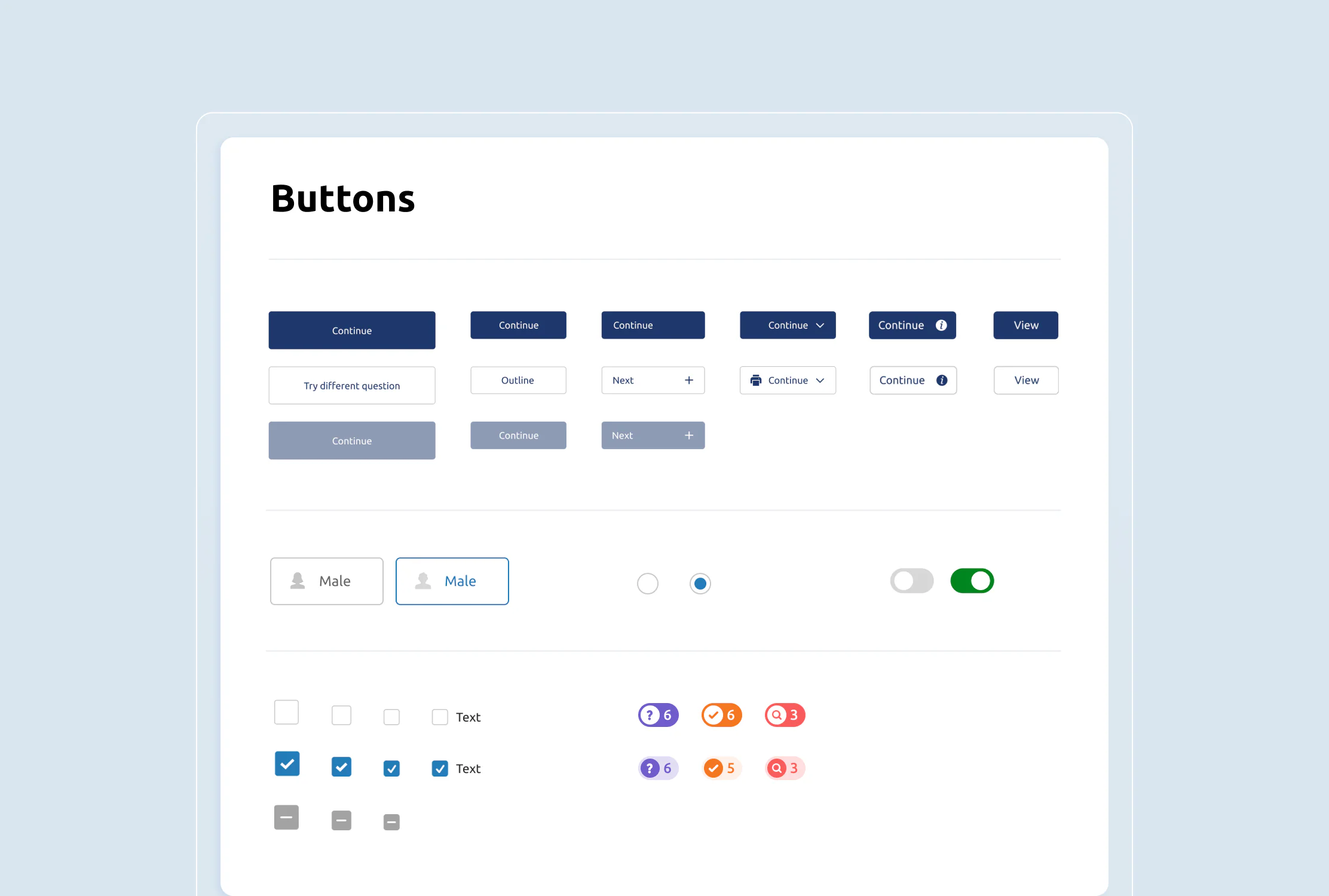
The design system we developed for Clinical Ink was essential for scaling their software product. It ensured consistency in patterns and visuals, allowing us to build once and reuse components. This saved valuable time and resources, as engineers didn't have to rebuild and retest components repeatedly. Additionally, the design system enabled Clinical Ink's designers to focus on UX, contributing to the success of their product.




The team is flexible, nimble, and has strong forethought regarding a product's globalization and responsiveness. Their ability to cater to an agile startup mindset also makes them an invaluable design partner.

Clinical trials run 7 to 12 years and cost over a billion dollars, and nurses were still capturing patient data on paper. Clinical Ink's software moves that onto electronic devices, and its end users include elderly and disabled patients and caretakers filling in forms for someone else. So we redesigned the product around the people holding the device rather than the enterprise buying it: patient lists and data points organized for a quick scan, status and notification patterns for patient updates, and a navigation that's visible on every screen. More on our product design.
Konpo, hand in hand with Clinical Ink's product team and Brady Keeter, who leads product innovation there. The first version of the product carried the company through its first decade (Clinical Ink made the Deloitte Technology Fast 500 in 2022), and the design system is what let more than 50 engineers keep building on it: components get built and tested once and reused, and the designers get their time back for UX.
Treat it as a requirement, not a polish step. Clinical Ink's forms are filled in by elderly patients, people with disabilities and caretakers answering on someone's behalf, often on a tablet at a trial site, so we used common navigation patterns that are easy to scan, built the score cards and forms to accessibility standards, and checked every screen in the context a site manager actually uses it. Our design systems are built to WCAG AA by default.
Typography, a custom icon set (icons don't have to be boring), color styles that keep engineers from guessing what blue means, buttons and form controls, status and notification components, navigation, fields, widgets and a calendar. It's the one source of truth that keeps product managers and engineers aligned, and the reason a new feature doesn't mean rebuilding a table.